•5 min read•Verified by Colorado Licensed Plumbers
Water Heater Backdrafting & Carbon Monoxide: Signs, Tests & Solutions
Backdrafting occurs when toxic combustion gases from a gas water heater spill into your home rather than rising through the chimney. Because combustion byproducts contain invisible, odorless carbon monoxide, chronic backdrafting is a severe health hazard. Here is the technical science behind flue spillage, warning signs to watch for, and how our licensed Littleton plumbers fix it.
Experiencing an active water heater emergency in Littleton? Shut off your cold water supply and call our dispatch desk.
Standard atmospheric natural draft water heaters (Category I appliances) do not have mechanical fans to push exhaust gases outdoors. Instead, they rely entirely on the stack effect—natural thermal buoyancy. Hot combustion exhaust gases produced by the burner are lighter and less dense than surrounding room air, causing them to naturally rise upward through the central tank flue baffle, enter the draft hood, and travel out through a vertical chimney pipe.
Backdrafting occurs when this upward convective flow reverses. Instead of rising through the vent, the exhaust gases—consisting of nitrogen oxides, carbon dioxide, water vapor, and potentially deadly carbon monoxide (CO)—spill outward from the open rim of the draft hood directly into your utility room, basement, or living areas.
Carbon monoxide is a colorless, odorless, and tasteless gas produced by incomplete combustion of hydrocarbon fuels. Chronic low-level exposure causes persistent headaches, dizziness, fatigue, nausea, and disorientation, while acute high concentrations can lead to unconsciousness and fatality in minutes. Because water heaters frequently operate unattended in basements, backdrafting represents one of the most hazardous unseen plumbing defects in residential homes.
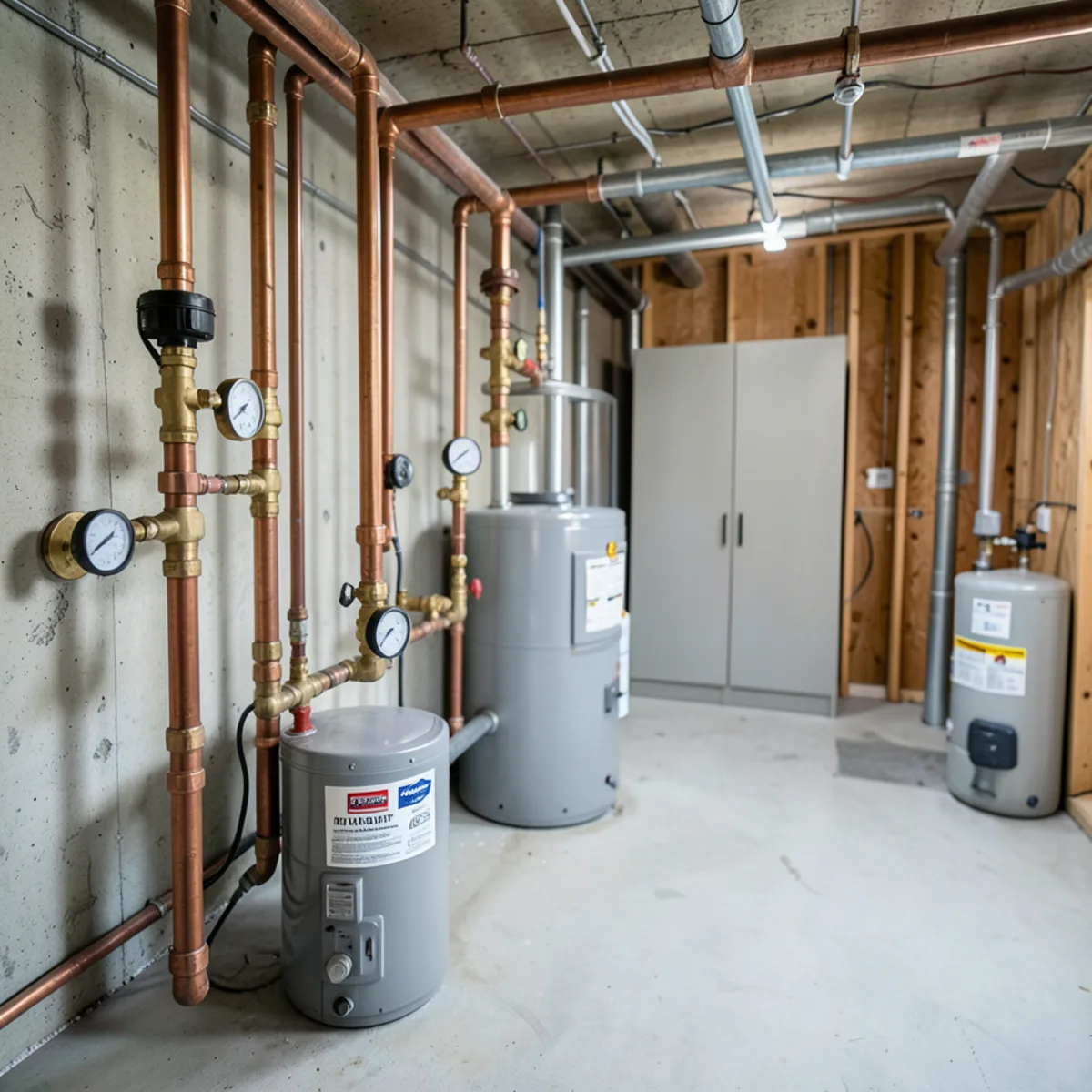
When mechanical exhaust fans create negative basement pressure, toxic flue gases are drawn downward into indoor living spaces.
Basement Negative Pressure: The Hidden Culprit Behind Spillage
The primary cause of water heater backdrafting along the Colorado Front Range is house depressurization, commonly referred to as negative indoor air pressure.
Your home is a dynamic pneumatic system. Modern energy-efficiency upgrades—such as double-pane vinyl windows, spray-foam insulation, weatherstripping, and tight caulking—seal building envelopes to prevent air infiltration. While this reduces heating bills, it drastically limits fresh air intake.
Simultaneously, modern homes incorporate powerful mechanical exhaust appliances that forcefully expel air outdoors:
- High-CFM kitchen range hoods (often exhausting 400 to 1,200 cubic feet per minute).
- Whole-house attic fans and multi-bath exhaust fans.
- High-efficiency clothes dryers expelling 150 to 200 CFM.
- Central furnaces or fireplace flues drawing air.
When these appliances run, they create a partial vacuum inside the home. Natural draft chimney flues represent the path of least resistance for outside replacement air. If negative pressure inside your basement exceeds just 3 to 5 Pascals, atmospheric water heater draft fails completely. The house literally sucks cold outside air downward through the chimney pipe, forcing burning flue gases out of the draft hood into your home.
Need a Licensed Water Heater Specialist in Littleton?
Fast diagnostic triage, upfront quotes, and zero pressure. Call our local shop directly.
Because carbon monoxide is invisible, homeowners must inspect for physical telltale signs indicating historical or active flue gas spillage:
1. Melted Plastic Nipple Rings: Look at the top of your water heater where the hot and cold water pipes connect. Manufacturers install colored plastic rings (grommets) around the pipe collars. If these plastic rings are melted, blackened, curled, or distorted, superheated combustion gases (exceeding 300°F) have rolled outward from the draft hood. This is undeniable proof of backdrafting.
2. Rust and Corrosion on Tank Top: Flue gases carry substantial quantities of water vapor as a byproduct of methane combustion. When backdrafting occurs, this acidic moisture condenses on the cool steel tank top, creating heavy surface rust, flaking paint, and calcified mineral scale around the draft hood base.
3. Soot Deposits Around the Burner Door: Black carbon soot streaking across the lower access cover or accumulating around the draft hood indicates severe oxygen starvation and incomplete combustion.
4. Chemical or Exhaust Odors: A persistent humid, stale, or faintly burnt combustion smell in the utility room when the water heater is firing.
5. Frequent Pilot Extinguishment: Downward drafts pushing through the central flue frequently blow out the pilot flame or trip thermal spill safety switches.
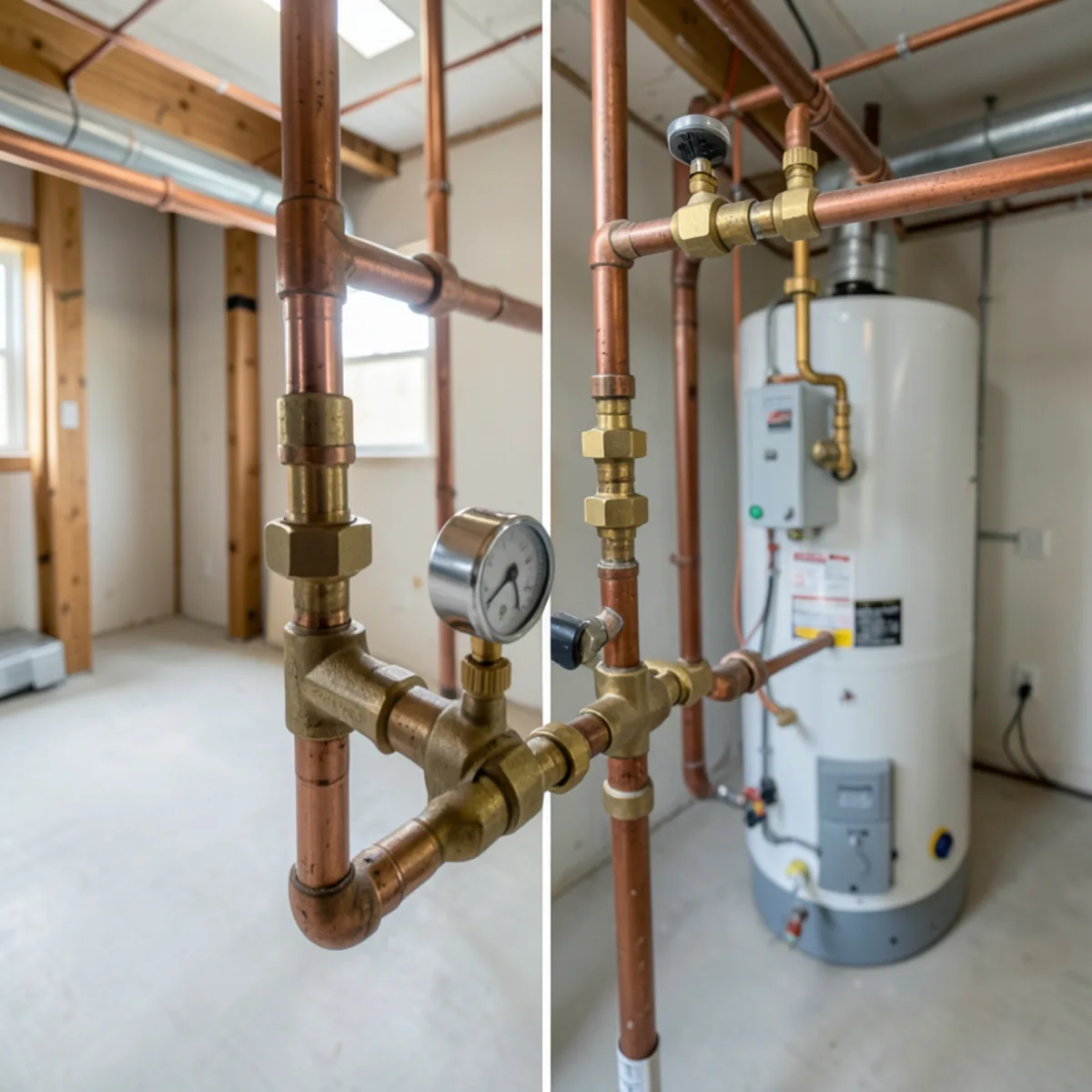
Melted or distorted plastic grommets around hot and cold water nipples provide undeniable visual evidence of chronic backdrafting.
How Licensed Plumbers Perform a Worst-Case Depressurization Test
Professional draft diagnosis does not rely on guesswork; it requires standardized testing under worst-case building conditions per International Fuel Gas Code (IFGC) protocols.
At Littleton Water Heaters, our technicians perform the following diagnostic procedure:
1. Building Configuration: We close all exterior doors, windows, and fireplace dampers. We close the door to the water heater mechanical room.
2. Exhaust Activation: We turn on all mechanical exhaust appliances—including kitchen range hoods, bathroom exhaust fans, and the clothes dryer—to create maximum household negative pressure.
3. Cold Start Firing: We run a hot water tap to activate the main water heater burner from a cold state.
4. Chemical Smoke Testing: We introduce non-toxic chemical smoke from a smoke pencil around the perimeter of the draft hood relief rim.
5. Timing Assessment: Within 60 seconds of main burner ignition, the chimney must establish sufficient thermal draft to draw 100% of the smoke upward into the B-vent pipe. If smoke spills outward or curls into the room after two minutes of firing, the appliance fails the spillage test and must be corrected immediately.
The Orphaned Water Heater Hazard in Older Denver Metro Homes
A very common source of severe backdrafting in older Littleton, Englewood, and Denver neighborhoods is the orphaned water heater phenomenon.
Historically, many mid-century homes vented both a large 100,000 BTU natural-draft furnace and a small 40,000 BTU water heater into a shared masonry chimney or large 6-inch metal B-vent flue. The combined heat from the furnace and water heater kept the oversized chimney hot, maintaining strong upward draft.
However, when homeowners upgrade to a high-efficiency 95%+ condensing furnace, the new furnace vents independently through PVC pipes out the side of the house. The old water heater is left orphaned—venting alone into an oversized, uninsulated chimney. A small 40,000 BTU burner cannot generate enough heat to warm the expansive cold brick flue. The flue gases cool, condense, stall, and roll backward into the basement.
Plumbing codes require an orphaned water heater to have its chimney relined with a properly sized, insulated aluminum or stainless steel flexible liner to restore appropriate flue velocity.
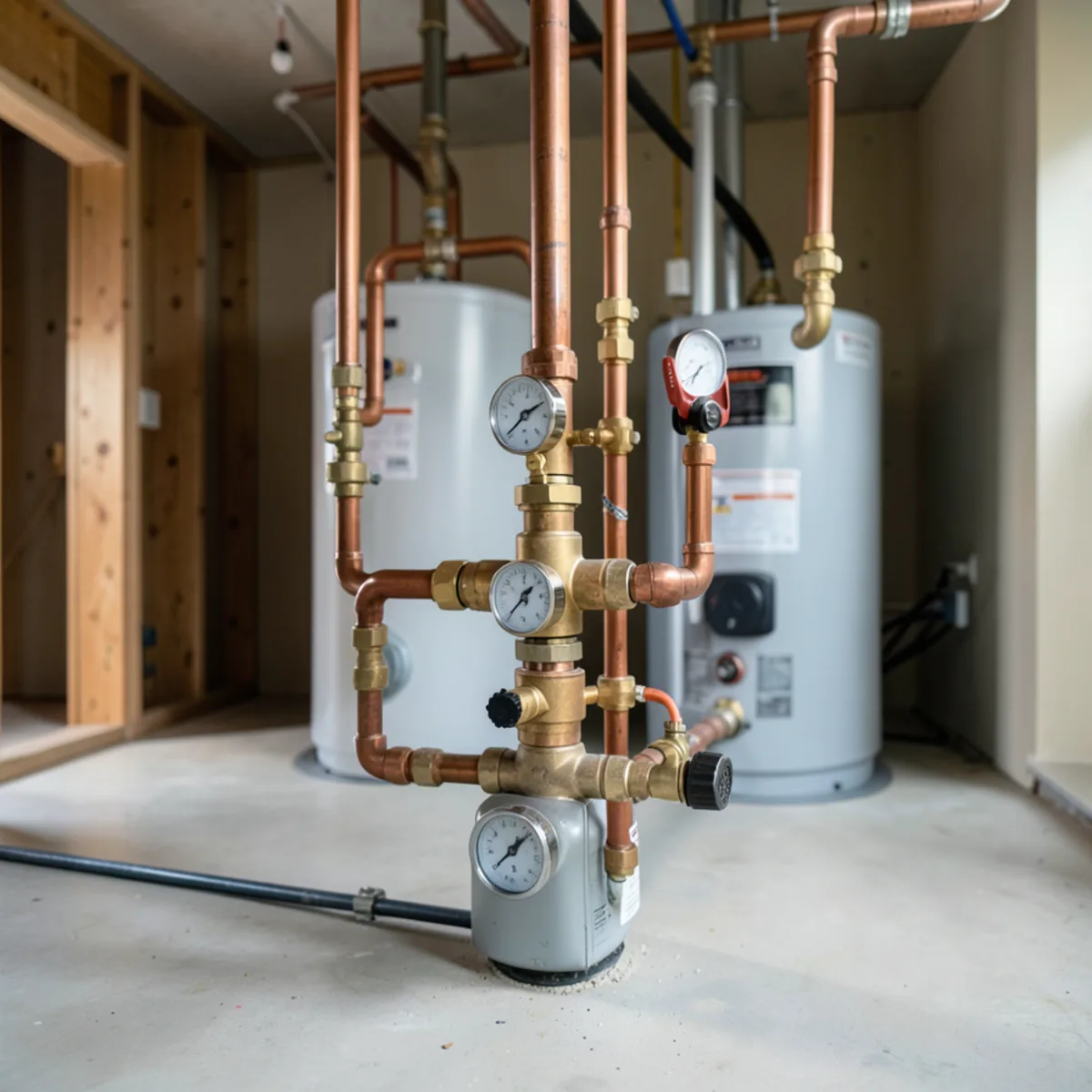
Using a non-toxic chemical smoke pencil to verify whether exhaust gases are smoothly drawn into the chimney vent connector.
Resolving backdrafting requires addressing the underlying hydraulic or mechanical venting defects:
1. Combustion Air Upgrades: Installing a dedicated, duct-connected fresh air intake or motorized make-up air damper that supplies outdoor air directly to the utility room, neutralizing basement negative pressure.
2. Flue Pitch and Geometry Correction: Re-piping the B-vent connector to ensure a minimum 12-inch vertical rise directly off the draft hood before any elbows, and maintaining a minimum continuous upward slope of 1/4-inch per foot of horizontal run.
3. Chimney Relining: Installing an approved UL-1777 aluminum or stainless steel chimney liner sized specifically for the water heater BTU rating.
4. Conversion to Mechanical Power-Venting: The most definitive, foolproof solution is replacing the atmospheric unit with a power-vent water heater. Power-vent models use an electric blower to forcefully push combustion gases horizontally through sealed PVC pipes out the rim joist, completely eliminating vulnerability to negative pressure, chimney downdrafts, or atmospheric elevation derating.
Call Littleton Water Heaters at (201) 277-9344 to schedule a complete combustion safety inspection and draft analysis.
Backdrafting is primarily caused by negative air pressure inside the home created by exhaust fans, range hoods, or dryers competing for air. It can also stem from blocked chimney flues, improper vent pipe sizing or slope, and the orphaned water heater effect in oversized masonry chimneys.