
Water heater maintenance in Littleton, CO
Annual preventative water heater maintenance removes heavy mineral sediment, inspects sacrificial anode rods, and calibrates safety valves to extend equipment life by up to six years across Littleton. Based at 1221 W Mineral Ave, our licensed plumbers perform comprehensive multi-point tune-ups that restore heating efficiency and protect your home from sudden tank failures.
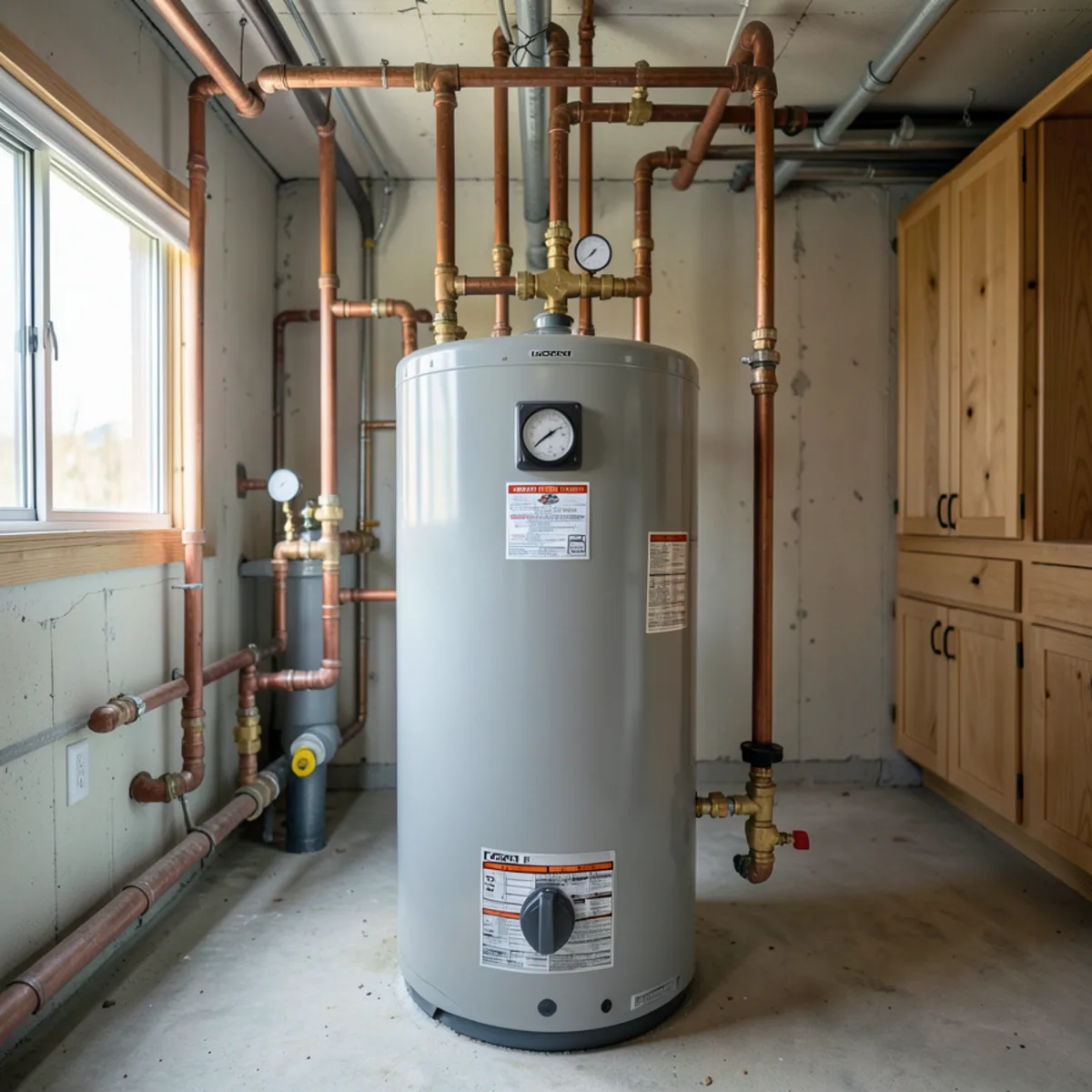
Comprehensive Annual Water Heater Maintenance & Flushing Protocol
Our multi-point preventative maintenance service protects storage water heaters throughout Littleton and the southwest Denver metro from premature corrosion and efficiency loss. Over twelve to eighteen months of standard household use, dissolved minerals settle into a thick layer of calcified rock at the base of your tank, insulating the heat exchanger and doubling energy consumption. Our technicians connect heavy-duty commercial dewatering hoses and motorized agitation equipment to power-flush sediment slurry from the tank basin. We then remove and inspect the sacrificial anode rod using high-torque impact tools, measuring remaining metal thickness to determine if replacement is necessary before corrosive water attacks the steel jacket. Finally, we mechanically exercise the temperature and pressure relief valve, test thermal expansion tank air pre-charge, clean the combustion chamber or test electric element resistance, and provide a comprehensive written equipment health assessment.
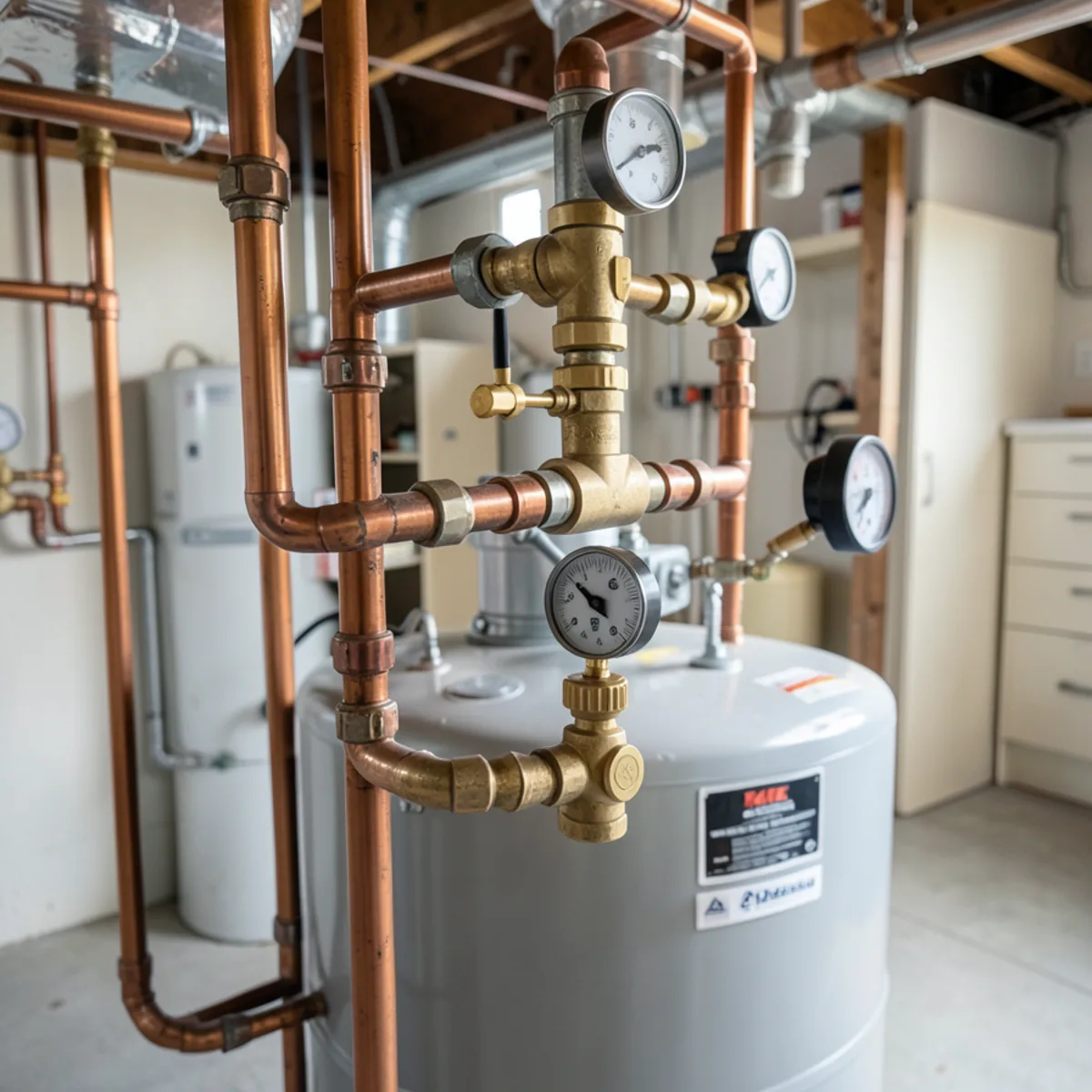
Signs Your Water Heater Is Overdue for Preventative Maintenance
Homeowners throughout Littleton frequently schedule preventative service after noticing these operational symptoms:
- Deep popping, crackling, or kettle-boiling noises resonating from the lower tank during active heating
- Hot water supply running out faster than usual or taking noticeably longer to recover between morning showers
- Visible white mineral scale or rust-tinted flakes accumulating in bathroom faucet aerators and showerheads
- Equipment operating past two years without a professional sediment power-flush or anode inspection
- Dampness or mineral crust crusting around the temperature and pressure relief valve discharge pipe
The Mineral Science: How Denver Water Hardness Affects Littleton Tanks
Littleton’s municipal water supply carries 7 to 9 grains per gallon (roughly 120 to 150 milligrams per liter) of dissolved calcium and magnesium carbonates sourced from mountain snowmelt reservoirs. While harmless to drink, these dissolved minerals precipitate out of solution whenever water is heated above 120°F. In a 50-gallon tank, this mineral fallout accumulates into a dense 2 to 4-inch blanket of calcified gravel across the concave bottom steel head. In gas water heaters, this sediment crust acts as an unwanted thermal insulator between the 40,000 BTU burner flame and the water above. The steel plate underneath becomes trapped in extreme heat exceeding 300°F, which crazes the protective interior porcelain glass lining and accelerates structural weld fatigue. Simultaneously, the sacrificial anode rod—a magnesium or aluminum core designed to corrode sacrificially to shield steel—erodes rapidly, leaving the bare tank vessel vulnerable to irreversible rust.
Calcium carbonate precipitation: heat forces dissolved hard minerals out of solution, forming dense rock scale.
Thermal hot-spot formation: bottom sediment traps burner heat, fatiguing the glass enamel tank lining.
Rapid anode rod depletion: hard water chemistry consumes protective magnesium cores within 3 to 5 years.
Relief valve seat calcification: mineral crust crystallizes inside the safety valve, causing seepage or freezing.
Efficiency loss from scale insulation: every 1/4-inch of bottom sediment increases energy consumption by up to 12%.
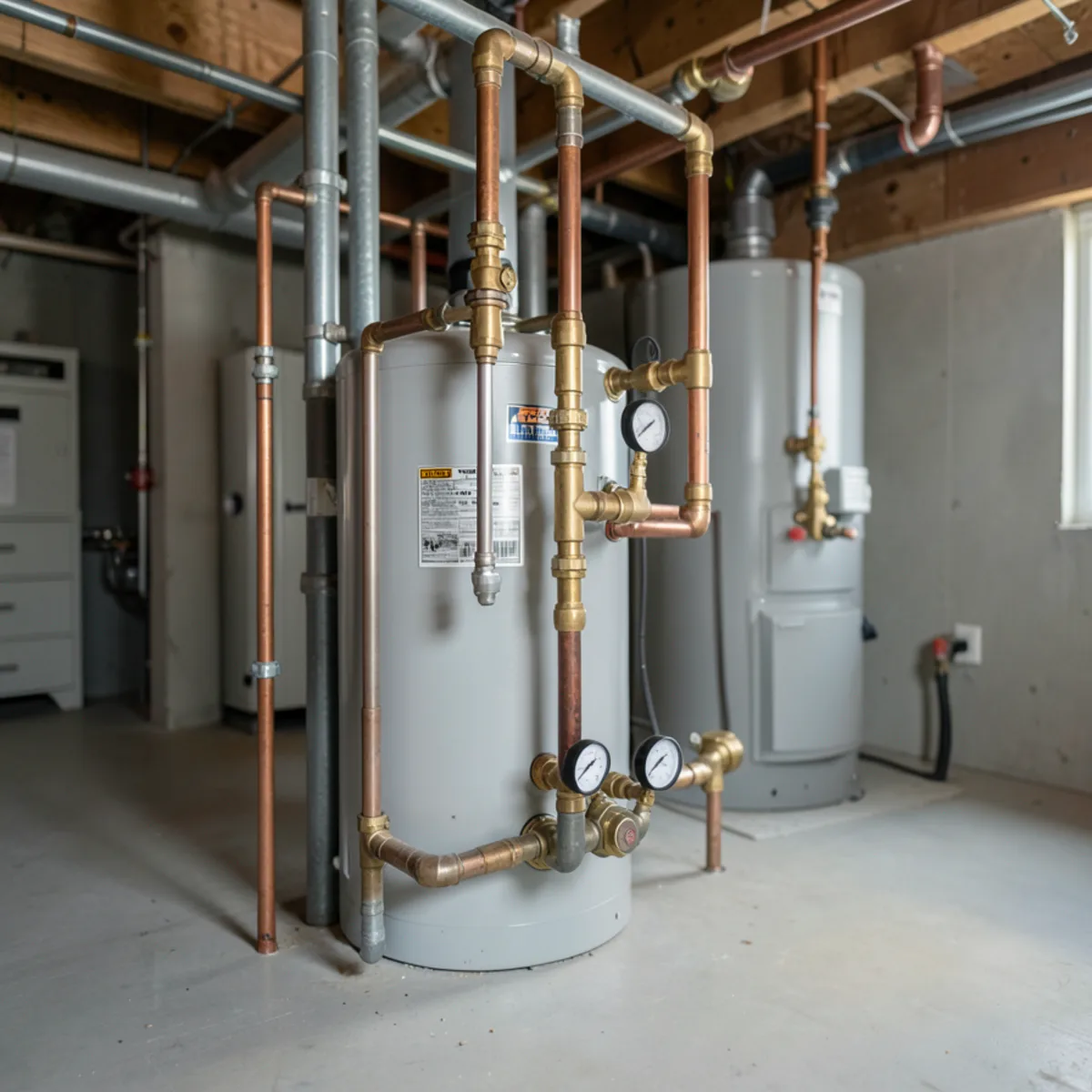
Our Multi-Point Preventative Tune-Up Checklist
Sacrificial Anode Rod Core Inspection
We extract the hex-head anode rod to verify whether more than 50% of the sacrificial metal remains intact.
Sediment Layer Depth & Drain Evaluation
We inspect drain valve flow and clear clogged drain spigots using commercial back-pressure agitation tools.
Closed-Loop Expansion Tank Pressure Gauge Check
We test expansion tank bladder pressure with a digital tire gauge, adjusting air charge to match household water PSI.
Combustion Chamber & Burner Health Review
We vacuum out combustion dust, inspect pilot assemblies, test flame rectification, and inspect chimney flue draft.
6-Step Comprehensive Water Heater Tune-Up Procedure
Pre-Service Inspection & Floor Protection
We place protective neoprene mats around your utility closet and document baseline water operating temperatures.
Hydrodynamic Tank Sediment Power-Flush
We attach commercial-grade hoses to a floor drain or outdoor pump to flush loose sediment and calcified gravel.
Anode Rod Extraction & Health Measurement
We unscrew the top anode hex plug, measure core wire erosion, and install a fresh magnesium rod if needed.
Safety Valve Actuation & Pressure Calibration
We manually exercise the T&P relief valve to clear mineral scale and verify proper spring seating and sealing.
Combustion & Electrical Component Servicing
We clean gas burners, polish flame rods, vacuum debris, or test electric element resistance with multimeters.
Re-Pressurization & Written System Signoff
We fill the tank, purge air, inspect all mechanical joints under pressure, and provide a written equipment scorecard.
Protect Your Water Heater with an Annual Tune-Up
Stop rumbling noises, cut energy waste, and extend your tank’s life. Schedule your Littleton maintenance visit at (201) 277-9344 today.
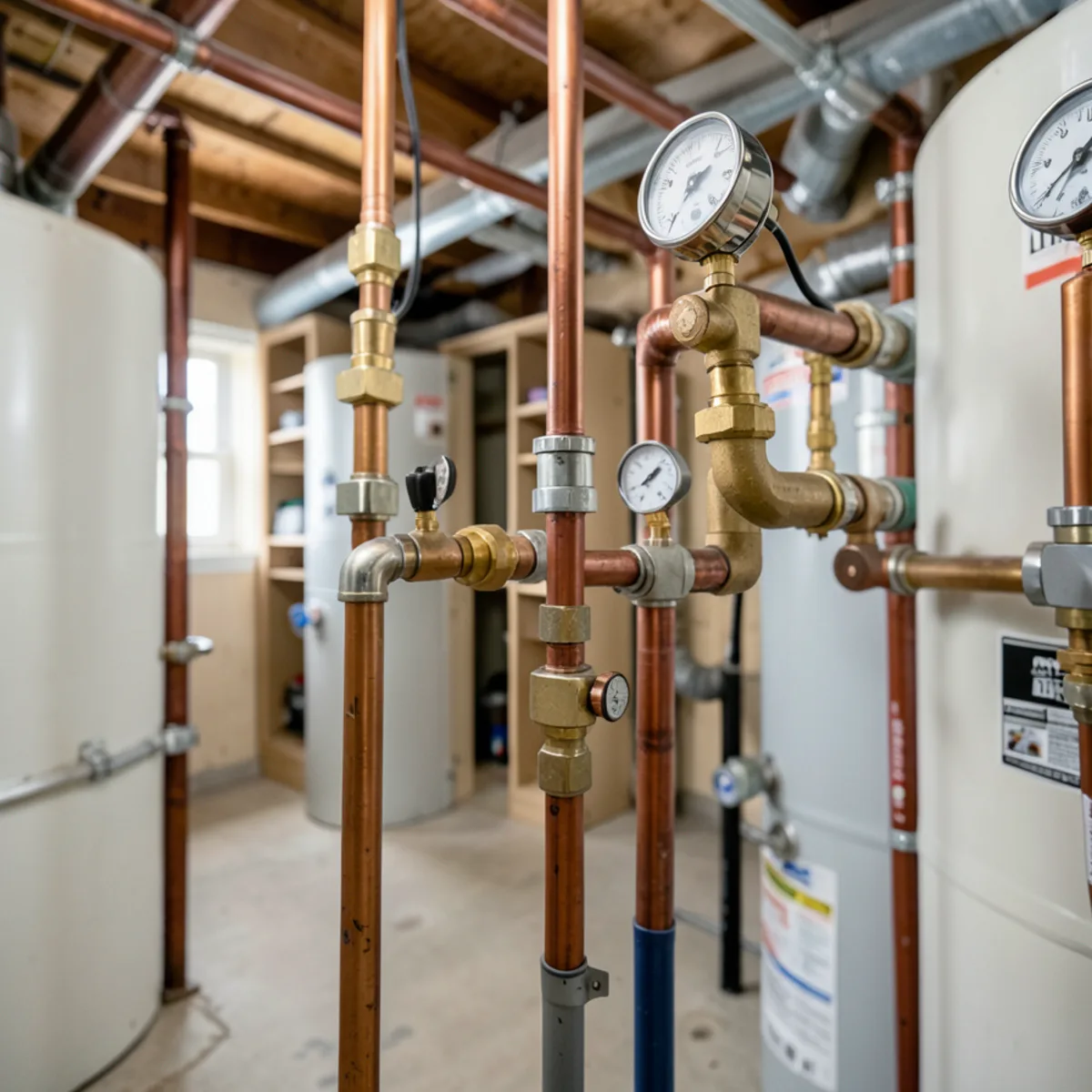
Maintenance Service Investment & Long-Term Financial Payback
Investing in annual preventative water heater maintenance is one of the most cost-effective homeownership decisions in Littleton. A routine maintenance and flushing visit costs a fraction of an emergency plumbing repair, while actively preventing premature tank replacements that exceed $2,500. Furthermore, clearing away thermal sediment restores lost heat transfer efficiency, lowering monthly gas or electric utility bills by 10% to 15%. If your sacrificial anode rod has fully dissolved, installing a new magnesium or aluminum rod during the maintenance call adds only nominal hardware cost while effectively doubling the remaining lifespan of your glass-lined steel vessel.
- •Service scope: standard sediment flush and inspection vs. comprehensive power-flush with anode rod replacement
- •Anode rod material: standard flexible segmented magnesium rod vs. advanced powered titanium anode for odor elimination
- •Drain spigot upgrades: replacing fragile plastic drain valves with commercial full-port brass valves for future cleanouts
- •Safety valve replacement: installing a new ASME-rated temperature and pressure relief valve if mineral scale freezes the seal
- •Long-term savings: extending equipment lifespan from 8 years to 14+ years while reducing monthly heating utility bills
Manufacturer Warranty Mandates & Denver Metro Safety Standards
Major residential water heater manufacturers—including Bradford White, Rheem, and A.O. Smith—explicitly state in their warranty documentation that equipment must receive periodic maintenance and sacrificial anode rod inspections to remain covered. If a steel tank ruptures prematurely within its warranty window and manufacturer teardown reveals severe neglected sediment accumulation or complete anode depletion, warranty claims are frequently denied. In addition, the City of Littleton and International Plumbing Code mandate that safety relief valves operate freely without binding. Our licensed plumbing professionals provide documented maintenance receipts that protect your active manufacturer warranty and certify that your domestic hot water equipment satisfies all municipal safety codes.
Why Littleton Property Owners Rely on Our Preventative Tune-Up Team
Water heater maintenance requires real mechanical diligence, not just opening a garden hose for thirty seconds. Headquartered at 1221 W Mineral Ave in Littleton, our master plumbers use heavy-duty agitation tools, high-torque impact wrenches, and calibrated multimeters to ensure your system is genuinely restored. We never recommend premature replacements when a simple flush and fresh anode rod will give you years of reliable hot water. We respect your home, protect your floors, and back every maintenance service with our 100% satisfaction guarantee.
Southwest Denver Metro Communities We Serve for Water Heater Maintenance
Littleton, CO
Preventative sediment flushing and anode rod replacements across Downtown Littleton, Broadhill, and TrailMark.
Centennial, CO
Power-flushing calcified water heaters for split-level residences along University Blvd and Arapahoe Rd.
Highlands Ranch, CO
Extending tank lifespans and testing expansion tanks across Northridge, Southridge, and Westridge.
Englewood, CO
Restoring heating efficiency and servicing vintage water heaters in classic neighborhoods near S Broadway.
Ken Caryl, CO
High-altitude burner cleaning and heavy mineral sediment removal for homes west of C-470.
Columbine, CO
Annual water heater tune-ups and T&P relief valve testing near Columbine Country Club and Bowles Ave.
Lakewood, CO
Sediment evacuation and heating element descaling for properties along S Wadsworth Blvd.
Greenwood Village, CO
Comprehensive preventative maintenance and expansion tank calibration near the DTC corridor.
Sheridan, CO
Affordable water heater tune-ups and anode rod checks for residential properties near S Federal Blvd.
Lone Tree, CO
Gas burner cleaning and smart water heater maintenance checks near Lincoln Ave and Park Meadows.
Frequently Asked Questions About Water heater maintenance in Littleton, CO
Due to Littleton’s 7 to 9 grains per gallon mineral hardness, standard tank water heaters should be flushed once every 12 months. Regular annual flushing prevents rock-like scale accumulation from insulating the heat exchanger and destroying the tank floor.