
Water Heater Guides & Troubleshooting for Littleton Homeowners
Clear, grounded answers from licensed Colorado plumbers. Explore diagnostic checklists, altitude derating science, thermal expansion principles, and honest repair-versus-replace economics tailored to Front Range water conditions.
High-Altitude Combustion
Understanding 5,300 ft air density, burner orifice derating, and draft safety.
Denver Water Chemistry
Mitigating 7–9 GPG mineral sediment crusting and sacrificial anode rod depletion.
Code Compliance & Safety
International Plumbing Code thermal expansion, B-vent clearance, and municipal permits.
Published Technical Articles
Select an article below for step-by-step troubleshooting instructions and diagnostic advice.
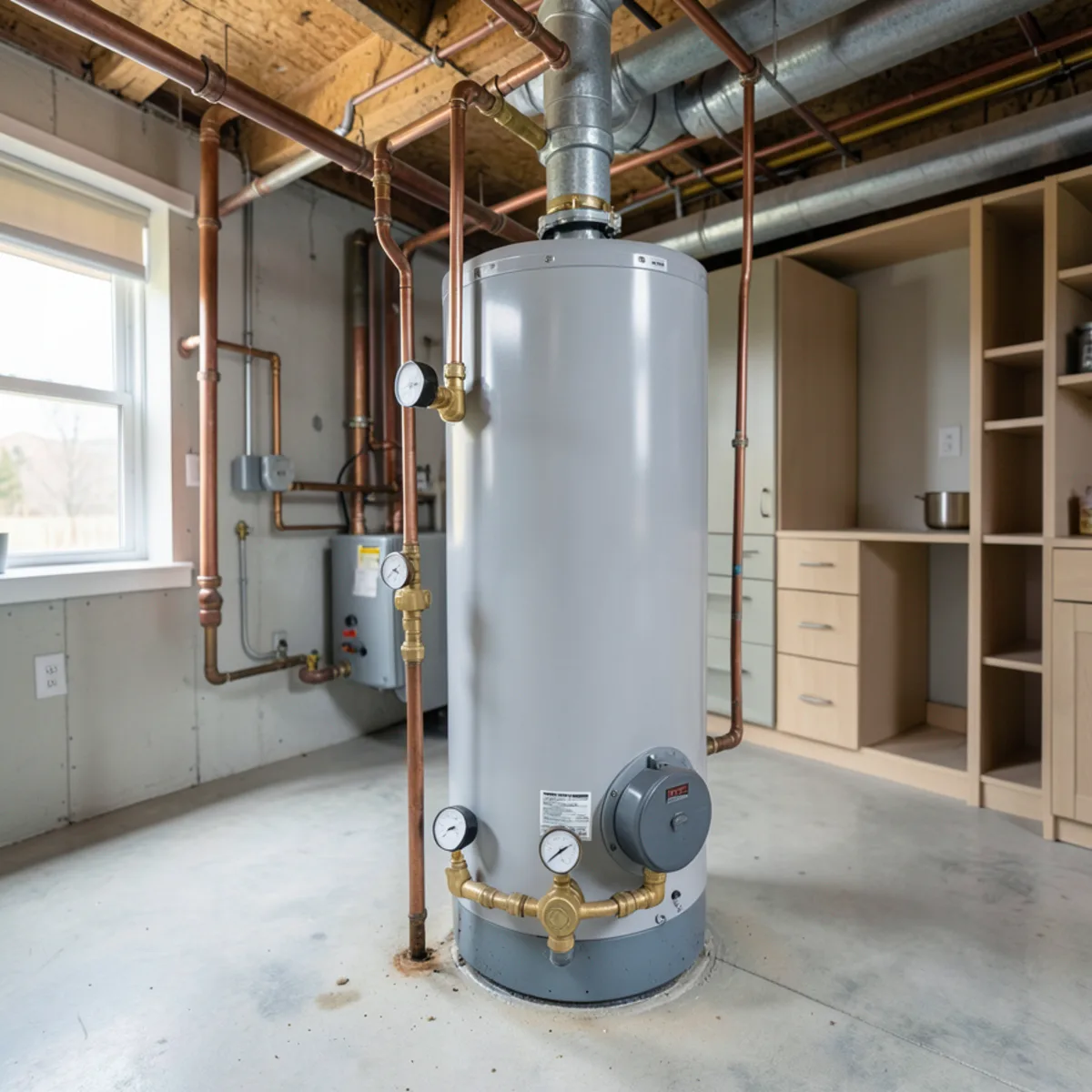
Water Heater Leaking from the Bottom: Causes, Diagnosis & Fixes
Discovering water pooling beneath your water heater is alarming. While some bottom leaks stem from minor fittings or serviceable drain valves, others signal catastrophic internal tank failure requiring prompt replacement. Here is our licensed Littleton plumber diagnostic guide to finding the leak source, stopping water damage, and deciding your next step.
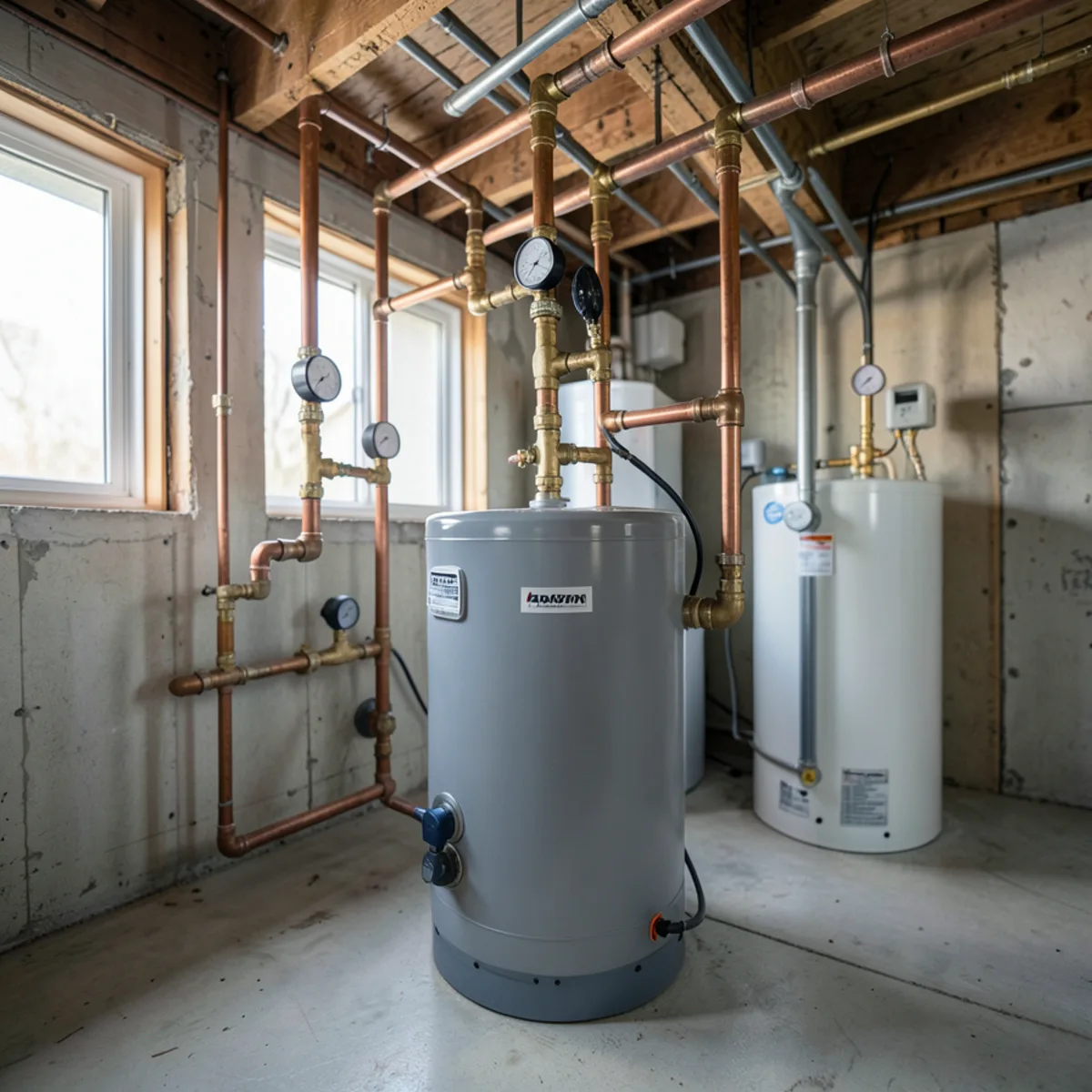
No Hot Water? Step-by-Step Diagnostic Guide for Littleton Homes
Stepping into the shower only to be met with ice-cold water is one of the most frustrating household surprises. Before assuming your water heater has reached the end of its life, several straightforward checks can help you identify whether you are facing a tripped electrical circuit, a blown pilot light, or a component failure. Here is our licensed Littleton plumber troubleshooting walkthrough.
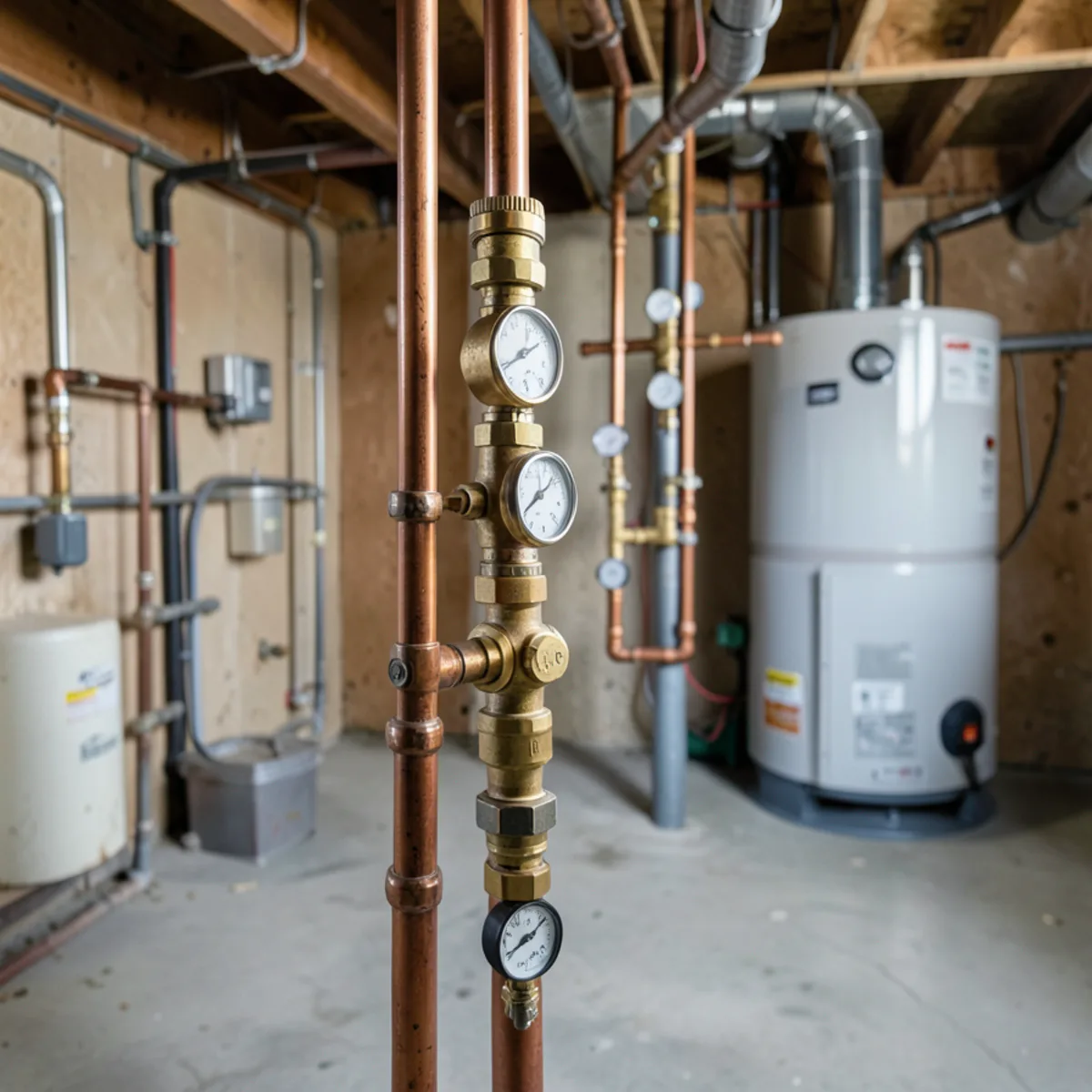
Water Heater Relief Valve Dripping: Causes, Risks & Solutions
A dripping temperature and pressure (T&P) relief valve is an urgent warning signal from your water heater. Whether the valve is weeping due to closed-loop thermal expansion, municipal pressure surges, or an internal mechanical failure, ignoring it risks water damage or dangerous pressure buildup. Here is what every Littleton homeowner needs to know.
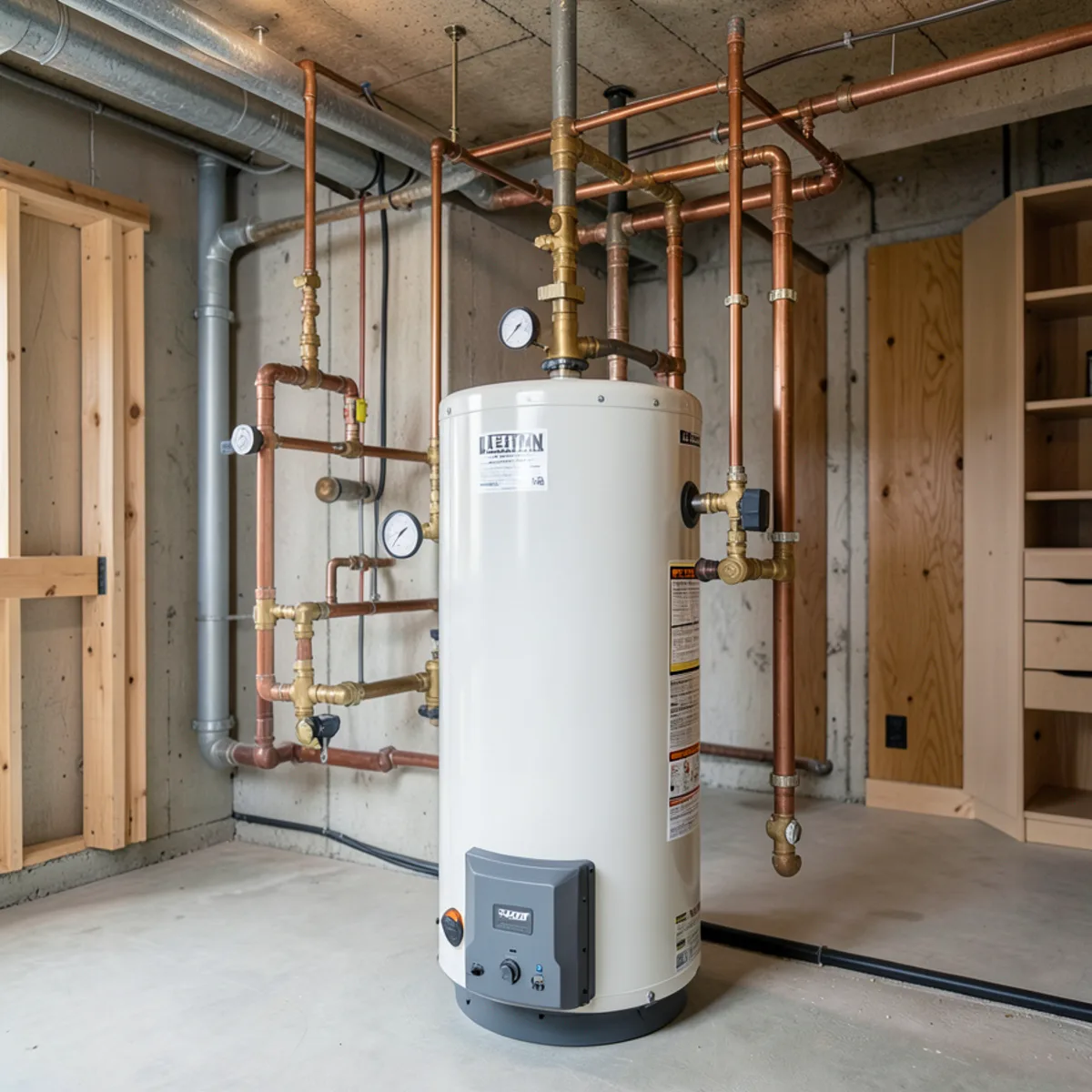
High-Altitude Water Heaters: Colorado Sizing, Derating & Venting
Operating a gas water heater at 5,300 to 7,500 feet along the Colorado Front Range is fundamentally different than at sea level. Thinner air with lower oxygen density alters combustion chemistry, reduces heat output, and challenges chimney venting. Here is the engineering science behind sizing and tuning high-altitude water heaters in Littleton.
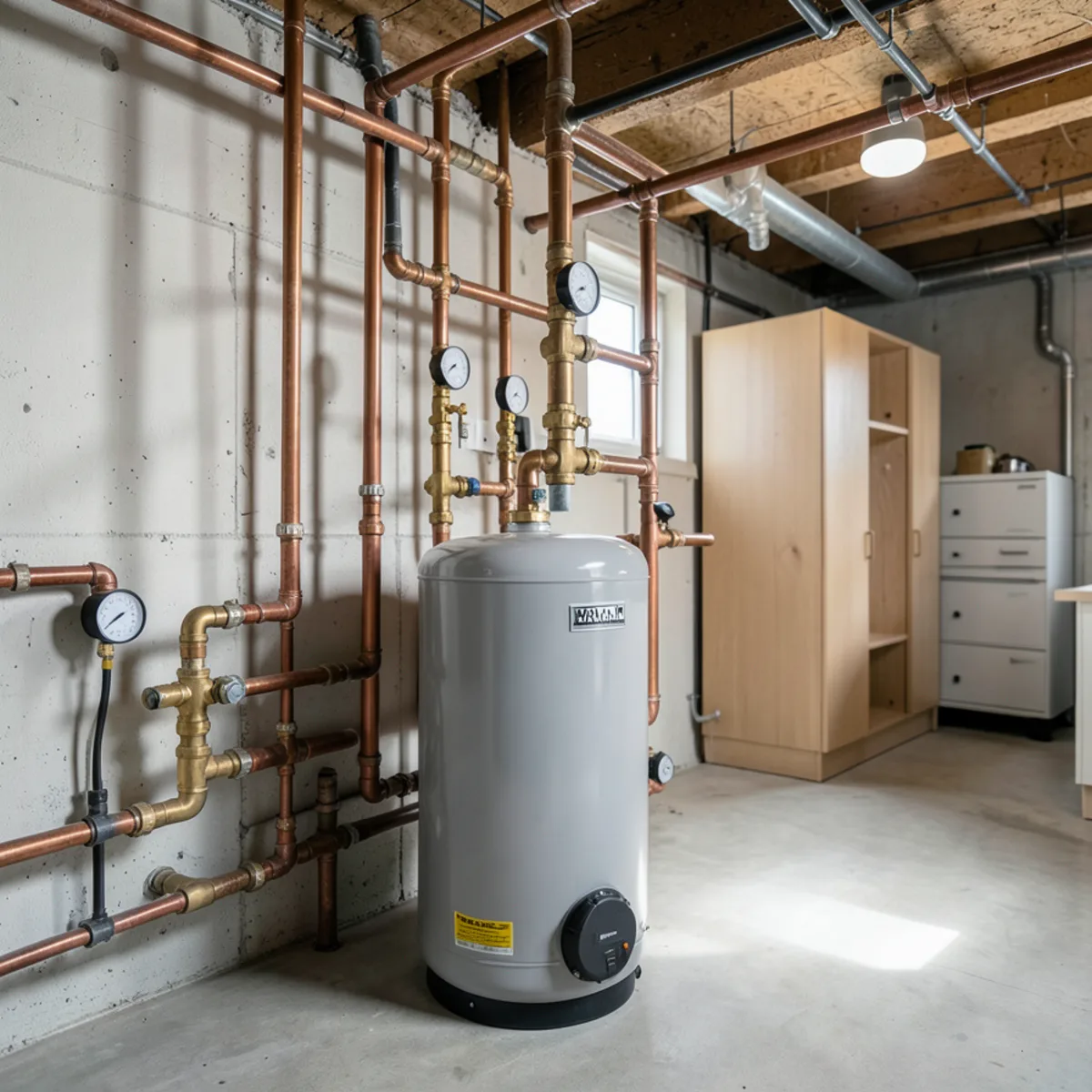
Do I Need a Water Heater Expansion Tank in Colorado? Code & Physics
When replacing a water heater or upgrading plumbing, homeowners frequently ask whether installing a thermal expansion tank is truly necessary or just an optional add-on. Along the Colorado Front Range, modern closed-loop plumbing systems make thermal expansion tanks an absolute engineering necessity and a strict code mandate. Here is how they protect your home.
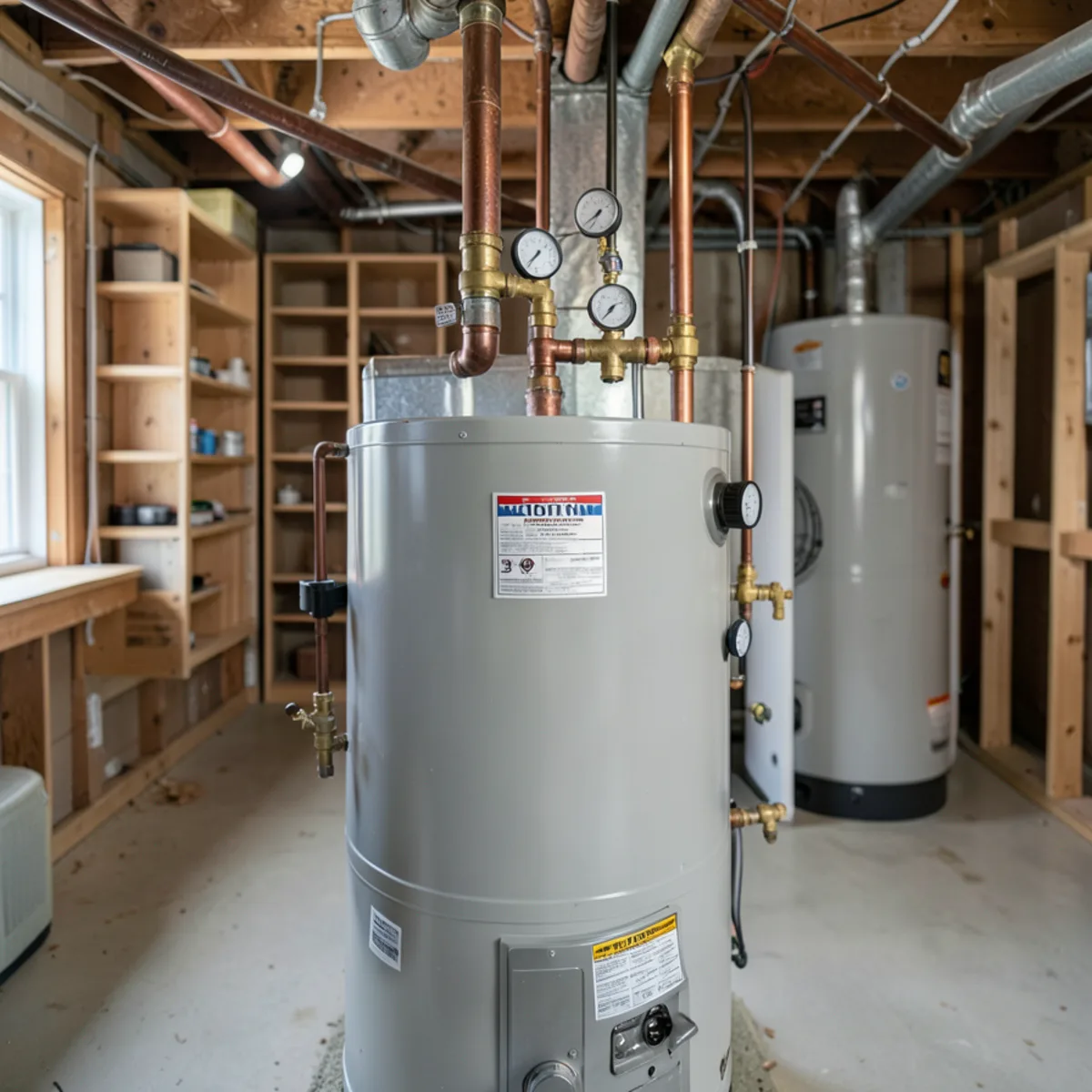
Water Heater Repair vs. Replace: Decision Guide for Littleton, CO
When your water heater stops producing hot water, begins rumbling, or develops a leak, you face a major financial decision: invest in a repair or replace the entire system? Along the Colorado Front Range, mineral hardness, altitude, and thermal stress accelerate appliance aging. Here is our licensed Littleton plumber decision framework to help you choose wisely.
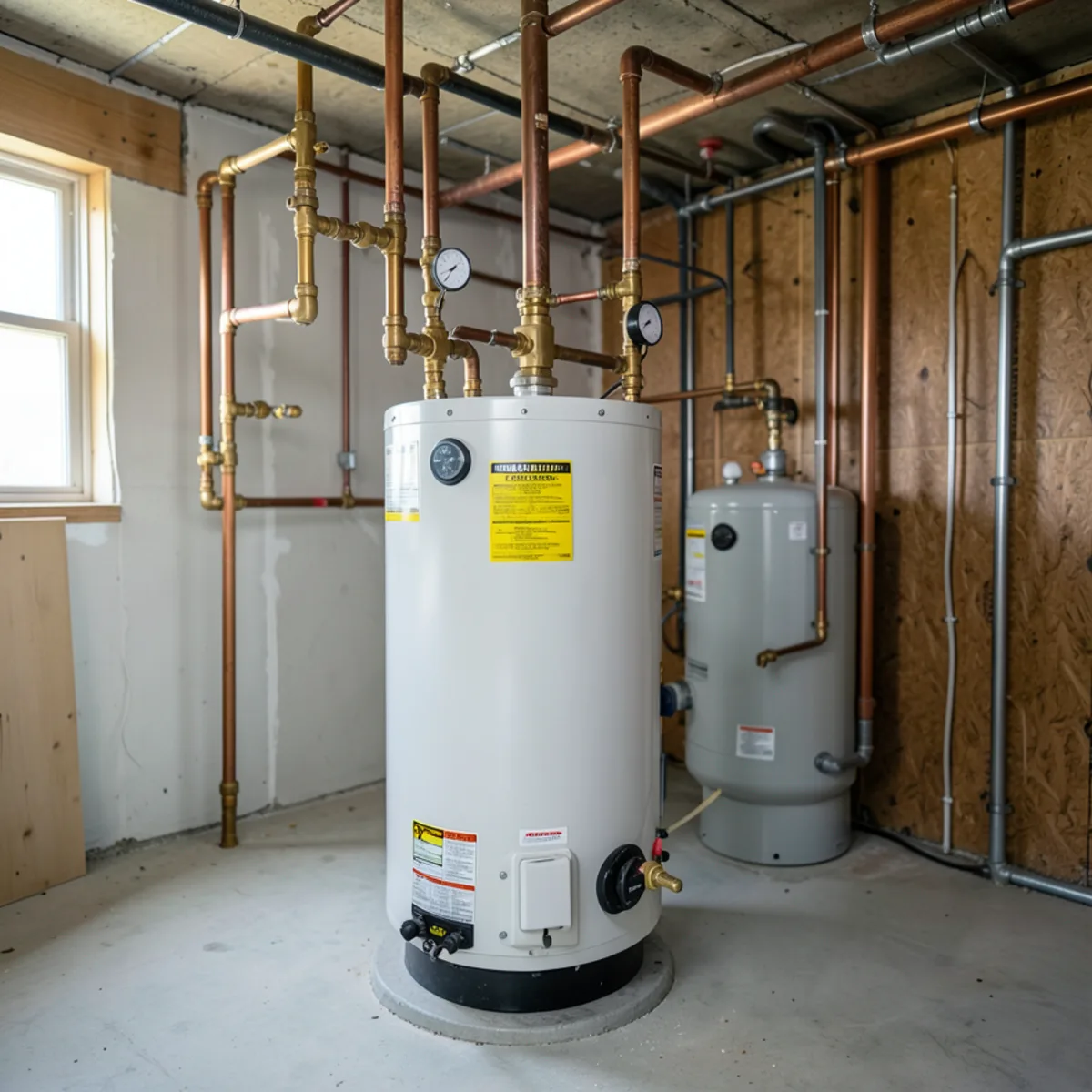
Gas Water Heater Pilot Keeps Going Out: 6 Causes & Fixes
Relighting your water heater pilot light once or twice after a windy storm is manageable, but when the flame extinguishes repeatedly every day or week, an underlying safety component has failed. Along the Colorado Front Range, high elevation, basement dust, and chimney downdrafts frequently challenge pilot systems. Here is how our licensed Littleton plumbers diagnose and resolve chronic pilot outages.
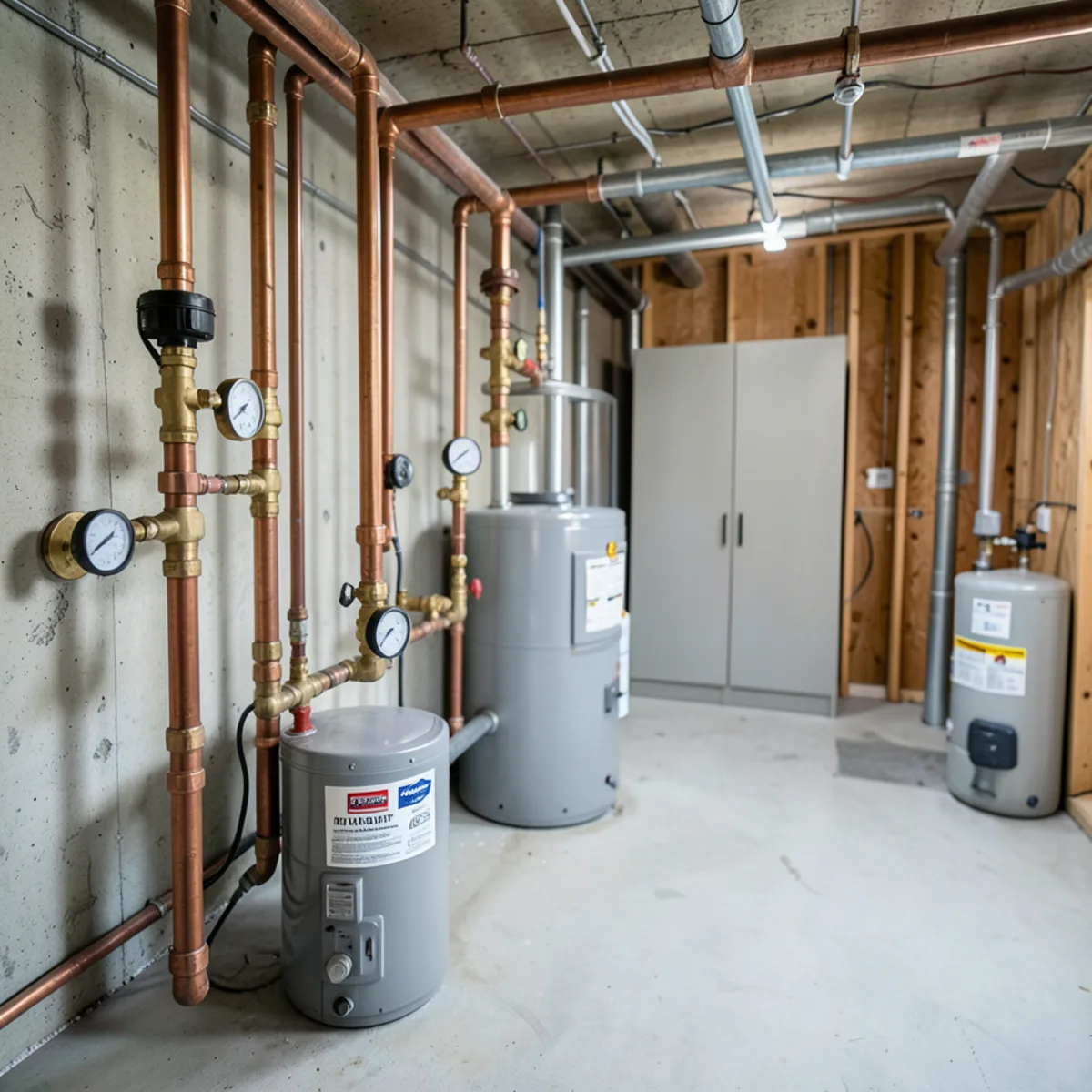
Water Heater Backdrafting & Carbon Monoxide: Signs, Tests & Solutions
Backdrafting occurs when toxic combustion gases from a gas water heater spill into your home rather than rising through the chimney. Because combustion byproducts contain invisible, odorless carbon monoxide, chronic backdrafting is a severe health hazard. Here is the technical science behind flue spillage, warning signs to watch for, and how our licensed Littleton plumbers fix it.
Frequently Asked Questions About Water Heaters in Littleton
At 5,300+ feet in Littleton, atmospheric pressure is roughly 17% lower than at sea level. Thinner air contains fewer oxygen molecules per cubic foot, requiring burner derating (typically 4% per 1,000 feet) to prevent soot and carbon monoxide. Thinner air also weakens natural chimney draft, making draft verification and power venting essential.