•5 min read•Verified by Colorado Licensed Plumbers
Gas Water Heater Pilot Keeps Going Out: 6 Causes & Fixes
Relighting your water heater pilot light once or twice after a windy storm is manageable, but when the flame extinguishes repeatedly every day or week, an underlying safety component has failed. Along the Colorado Front Range, high elevation, basement dust, and chimney downdrafts frequently challenge pilot systems. Here is how our licensed Littleton plumbers diagnose and resolve chronic pilot outages.
Experiencing an active water heater emergency in Littleton? Shut off your cold water supply and call our dispatch desk.
A water heater pilot light is not merely a continuous source of ignition; it is an active safety monitoring circuit engineered to prevent deadly natural gas explosions.
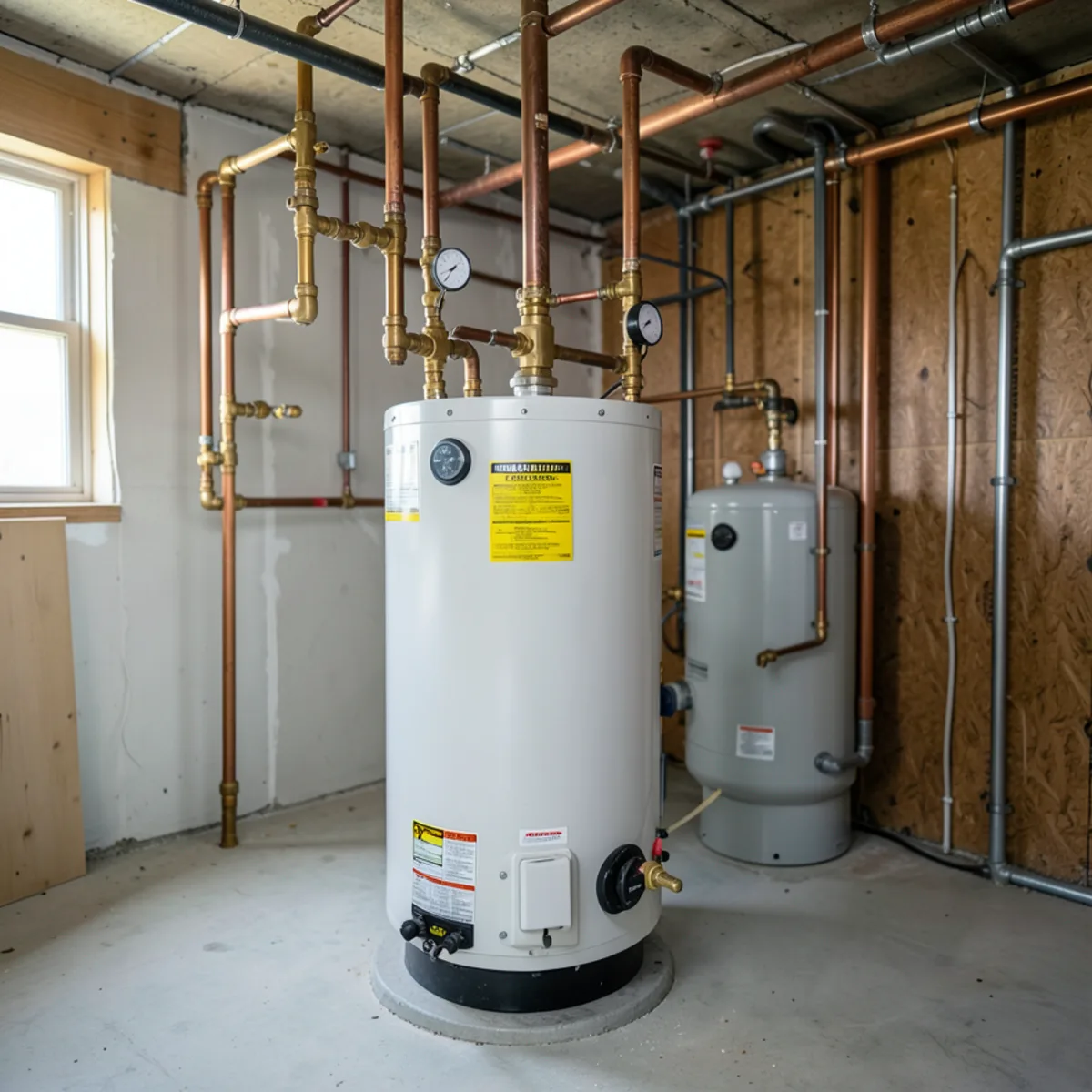
Inside the combustion chamber, a small pilot tube feeds a tiny stream of gas that burns with a steady blue flame. Positioned directly in this flame is a heat-sensing probe:
- Traditional Standing Pilot: Uses a thermocouple—a probe constructed of two dissimilar metals welded at the tip. When heated by the pilot flame, it generates a tiny direct current (typically 25 to 35 millivolts). This current powers a miniature electromagnet inside the gas control valve, holding the safety spring open to allow fuel to flow to the main burner.
- Modern Electronic Ignition: Uses a thermopile (a cluster of multiple thermocouples wired in series), generating 650 to 850 millivolts. This greater voltage powers the microprocessor circuit board, status LED, and electronic solenoids inside modern gas valves without needing household electricity.
If the pilot flame flickers, drifts away from the probe, or produces insufficient heat, the probe cools down in seconds. The millivoltage drops to zero, the electromagnet releases, and a heavy internal spring snaps the gas valve shut, cutting off all gas flow. When your pilot keeps going out, the safety system is doing its job: detecting an unsafe condition and cutting fuel.
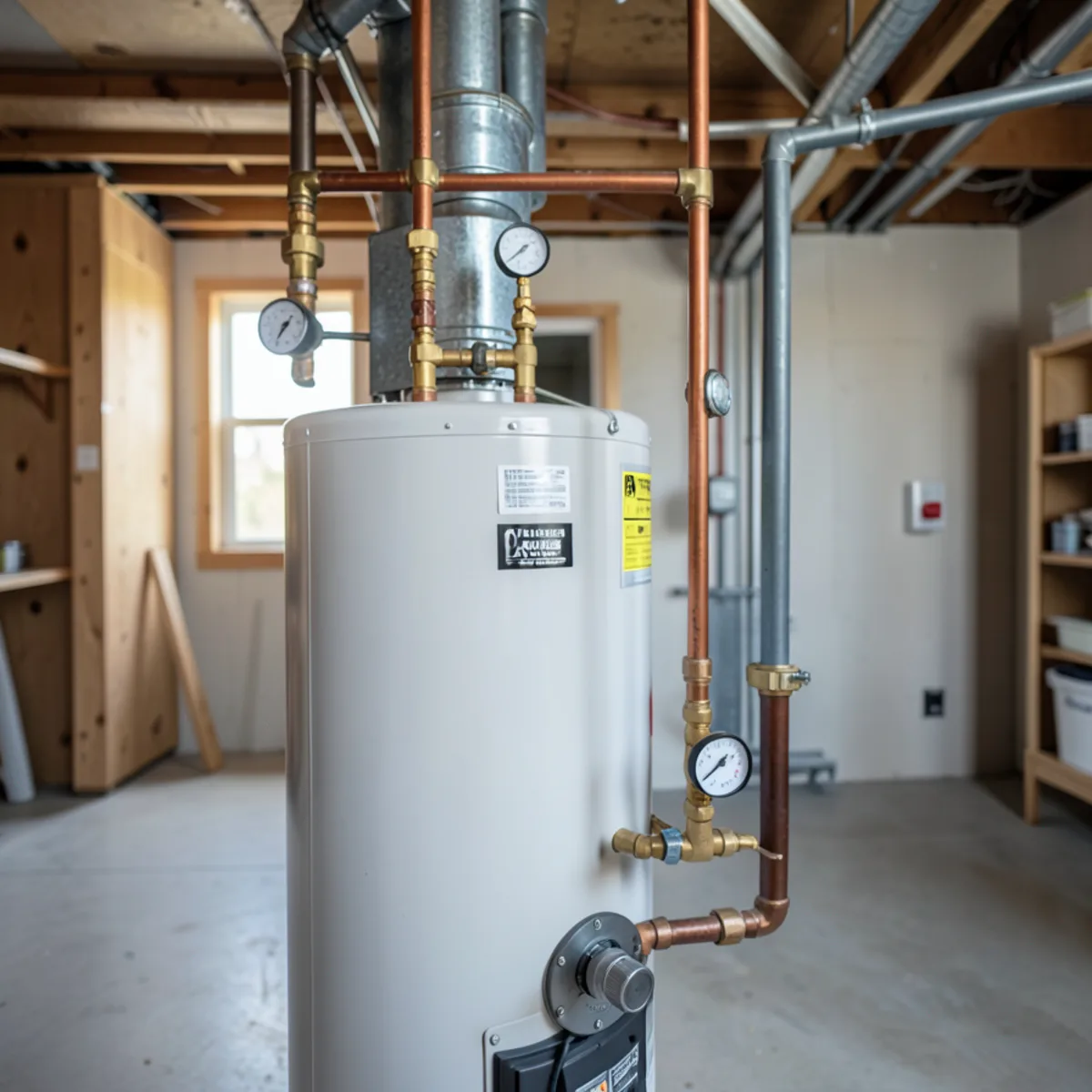
The pilot flame must envelop the top third of the thermocouple probe to generate sufficient millivoltage.
Cause 1: Dirty, Oxidized, or Misaligned Thermocouple
The single most frequent reason for a pilot flame extinguishing is a contaminated or failing thermocouple probe.
Over years of combustion, airborne dust, microscopic sulfur particles in natural gas, and mineral vapors create a black layer of carbon soot and oxidation over the copper probe. This soot acts as a thermal insulator. Although the flame appears to touch the probe, the internal metal junction never reaches the 750°F temperature required to generate threshold millivolts. Consequently, the holding magnet drops out randomly, particularly when the main burner kicks off and sudden air turbulence wafts over the pilot.
Furthermore, physical misalignment can cause pilot failure. If the pilot bracket has bent slightly during past maintenance or cleaning, the flame may only lick the base of the probe rather than engulfing the top 3/8-inch tip where the dissimilar metal junction resides. While gently buffing an oxidized probe with fine steel wool or emery cloth can restore conductivity as a temporary test, an aged thermocouple should be replaced with a factory-specified probe for permanent reliability.
Need a Licensed Water Heater Specialist in Littleton?
Fast diagnostic triage, upfront quotes, and zero pressure. Call our local shop directly.
Cause 2: Clogged FVIR Flame Arrestor Screen Choking Combustion Air
Since 2003, all residential gas water heaters incorporate Flammable Vapor Ignition Resistant (FVIR) technology. Under FVIR design standards, combustion air enters the burner chamber through a microscopic ceramic or stainless-steel mesh screen located in the bottom plate beneath the water heater.
In typical Colorado homes, water heaters share utility space in unfinished basements or laundry rooms alongside clothes dryers, furnaces, and household storage. Over five to eight years, dryer lint, dust bunnies, and pet dander get drawn toward the base of the water heater by combustion vacuum.
As the FVIR screen gradually chokes with debris, the combustion chamber becomes starved for oxygen. At 5,300 feet in Littleton, atmospheric air already carries 17% less oxygen by mass than sea level air. As oxygen drops inside the sealed chamber, the pilot flame turns yellow, stretches upward searching for air, and produces elevated heat at the base. This triggers the thermal cut-off (TCO) safety switch—a high-temperature sensor that permanently cuts power to the thermocouple to prevent chamber fires.
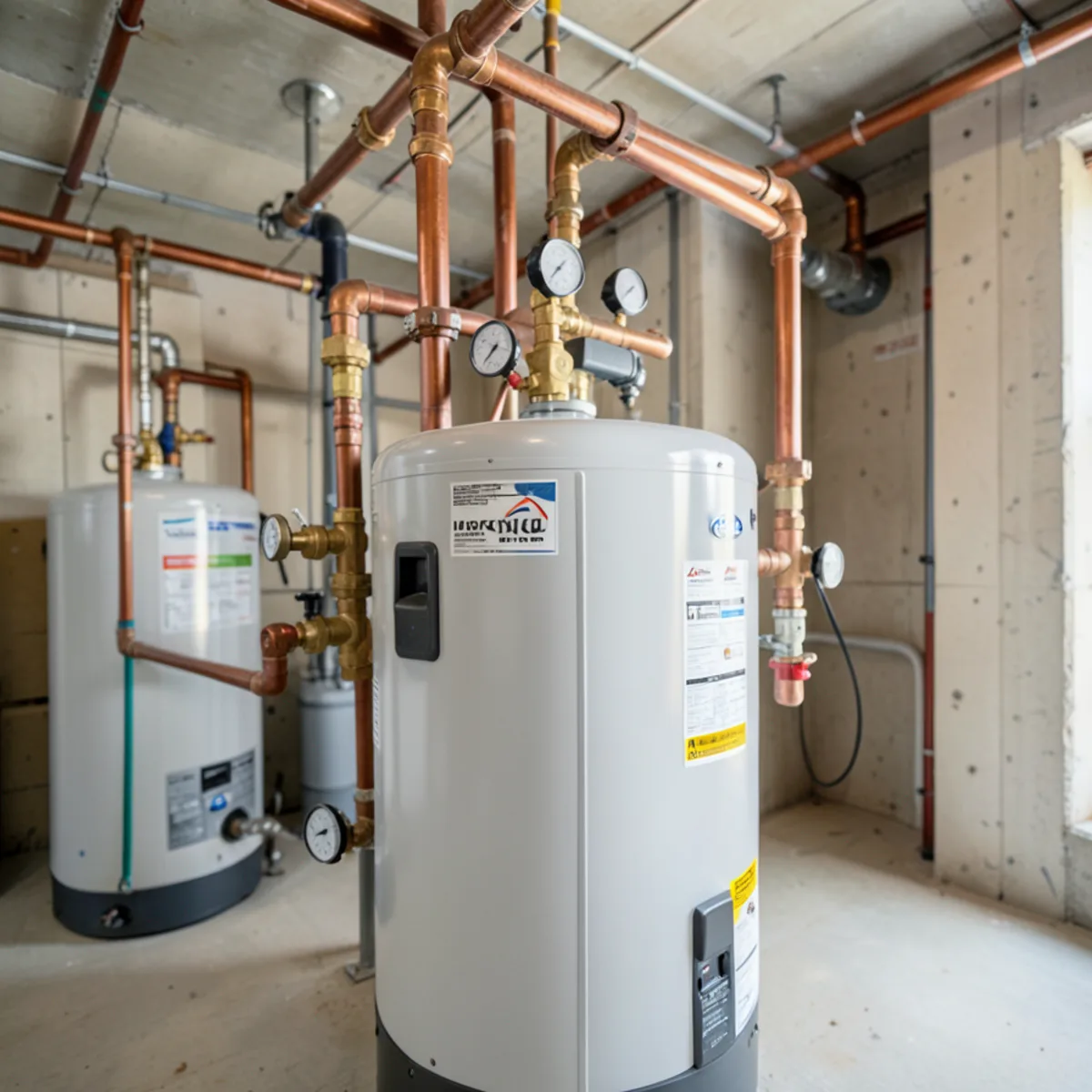
Basement lint and pet hair clog the base FVIR flame arrestor, starving the burner of oxygen and tripping thermal cutoffs.
Cause 3: High-Altitude Chimney Downdrafts and Wind Shears
Along the Colorado Front Range, atmospheric downdrafts are a notorious source of intermittent pilot light outages, particularly during spring and autumn windstorms.
Littleton frequently experiences powerful Chinook winds descending from the Rocky Mountain foothills, creating strong pressure differentials across residential rooflines. Standard atmospheric Category I water heaters vent through a vertical metal B-vent chimney pipe terminating on the roof with a storm cap.
When high-velocity winds blow over roof ridges, they can create a positive pressure pocket directly above the chimney cap, forcing cold outside air straight down the flue pipe. This downward gust strikes the draft hood at the top of the water heater, pushing cold air down the central flue baffle and blowing out the tiny pilot flame like a birthday candle. Installing an approved high-wind chimney cap (such as a directional Vacu-Stack cap) or upgrading to a mechanical power-vent water heater eliminates wind-induced pilot failures.
Cause 4: Defective Thermal Cut-Off Switch (TCO) or Spill Switch
Modern sealed water heaters incorporate a Thermal Cut-Off (TCO) switch wired in series with the thermocouple or thermopile leads. This switch functions as an emergency high-limit sentinel: if temperatures inside the burner door exceed 300°F (due to a clogged arrestor screen or severe draft obstruction), the switch opens its circuit.
On some units, this switch is a resettable bimetal button located on the burner door. On other units (such as Whirlpool, Craftmaster, and older Bradford White models), the switch is a single-use fusible thermal link. If the link melts, current cannot pass from the thermocouple to the gas valve, making it impossible to light or hold the pilot flame even with a brand-new thermocouple. Testing continuity across the switch terminals with an ohmmeter quickly determines if a blown thermal switch is causing the lockout.
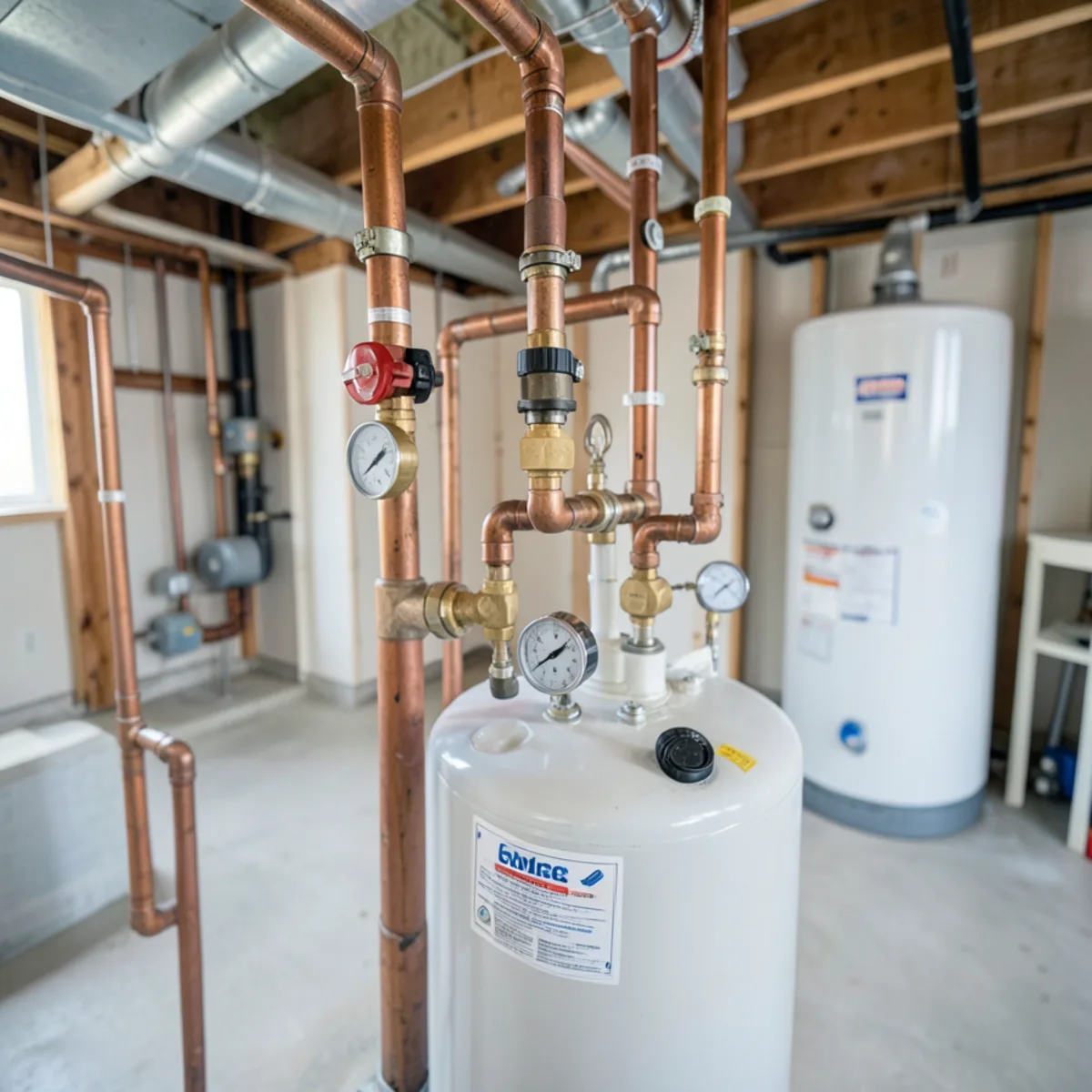
A healthy thermopile generates 650 to 850 millivolts DC under load to power modern electronic gas control valves.
Cause 5: Failing Gas Control Thermostat Valve and Internal Solenoids
If the thermocouple generates healthy millivoltage, the FVIR screen is completely clean, and the draft hood passes spillage testing, the failure point lies inside the main gas control valve itself.
Inside modern electronic valves (such as the Honeywell or White-Rodgers units used on Bradford White water heaters), an internal electromagnetic solenoid holds the pilot valve open. Over eight to ten years of continuous thermal exposure, the delicate copper wire windings inside the solenoid break down or corrode. When the solenoid coil develops internal electrical resistance, the millivolt current generated by the thermopile can no longer sustain the magnetic field.
A licensed plumber uses a specialized adapter and digital multimeter to measure closed-circuit millivoltage under load. If the thermopile produces 650+ millivolts but the valve drops out below 350 millivolts, the internal valve mechanism is defective. Because the gas control valve is a sealed factory assembly, the entire valve must be replaced and the fuel connections re-tested with an electronic sniffer.
Step-by-Step Pilot Diagnostic Procedure for Littleton Residents
When dealing with chronic pilot outages, systematic diagnosis prevents wasted time and money:
1. Visual Flame Inspection: Peer through the sight glass. The pilot flame should be a crisp, steady blue cone that envelopes the thermocouple tip. If the flame is yellow, lifting, or lazy, combustion air or orifice pressure is compromised.
2. Multimeter Voltage Test: Measure open-circuit DC millivolts across the thermocouple leads. A standard thermocouple must generate at least 25 to 30 mV; a thermopile must produce at least 650 to 750 mV. If voltage is below 15 mV, replace the probe.
3. Base Screen Cleaning: Inspect the air inlet screen underneath the unit with a mirror and flashlight. Vacuum away surface dust and use a specialized bristled brush to clear lint from the ceramic arrestor plate.
4. Call Littleton Water Heaters: If voltage and airflow are verified but the pilot drops out when you release the knob, contact our Littleton dispatch desk at (201) 277-9344 for prompt factory part replacement.
Intermittent outages that occur after hours of operation typically point to a dirty or weak thermocouple that barely produces threshold voltage, a clogged FVIR air intake screen that starves the flame when the main burner fires, or strong chimney downdrafts caused by Front Range winds.