•5 min read•Verified by Colorado Licensed Plumbers
Water Heater Leaking from the Bottom: Causes, Diagnosis & Fixes
Discovering water pooling beneath your water heater is alarming. While some bottom leaks stem from minor fittings or serviceable drain valves, others signal catastrophic internal tank failure requiring prompt replacement. Here is our licensed Littleton plumber diagnostic guide to finding the leak source, stopping water damage, and deciding your next step.
Experiencing an active water heater emergency in Littleton? Shut off your cold water supply and call our dispatch desk.
Is the Water Really Leaking from the Bottom of the Tank?
When homeowners find a puddle around the base of a water heater, the natural assumption is that the bottom of the tank has ruptured. However, physics dictates that water follows gravity. A leak originating several feet higher on the unit will run silently down the exterior steel casing or through internal fiberglass insulation before pooling on your concrete floor.
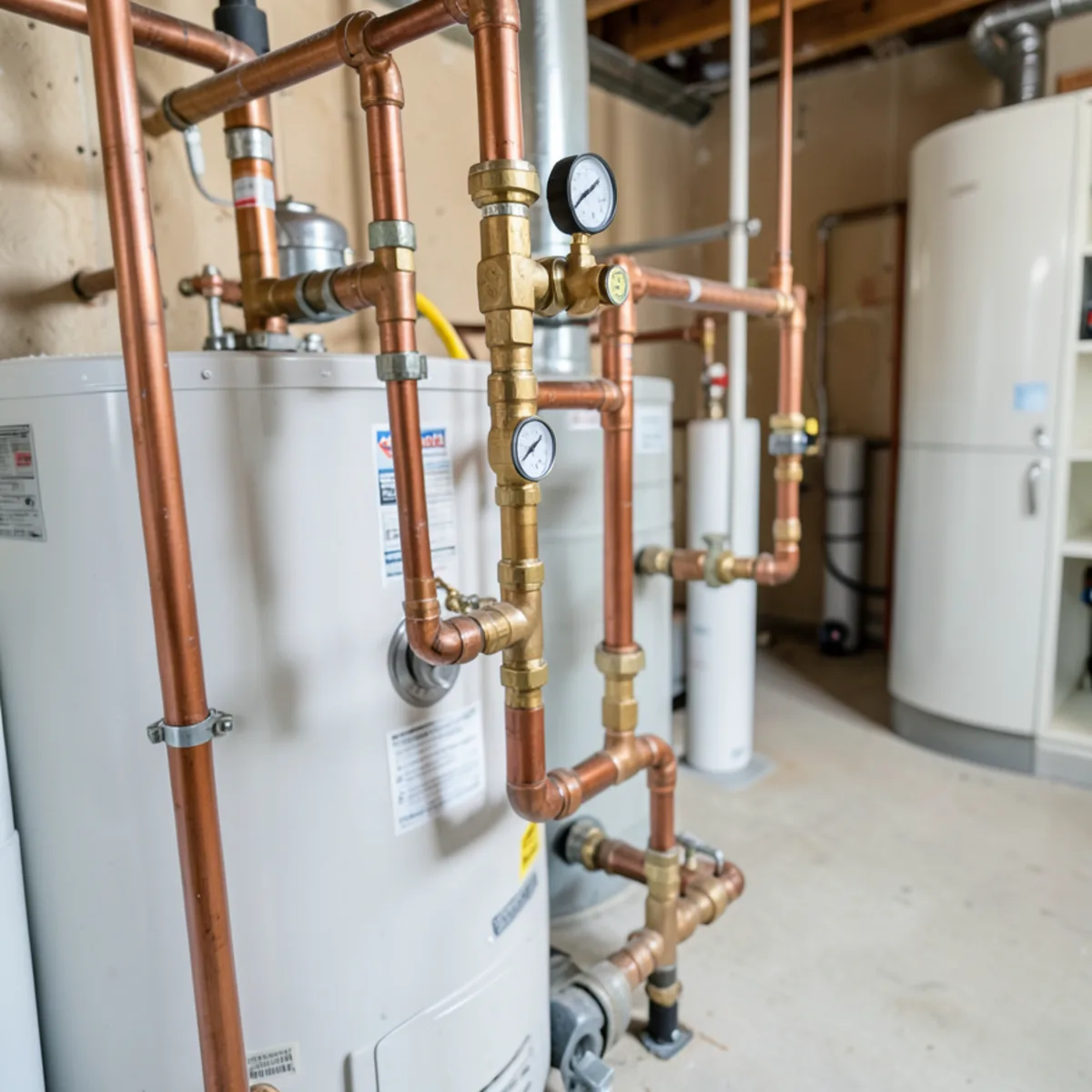
Before assuming the worst, take five minutes to dry the floor completely with towels and grab a bright flashlight. Inspect the top cold water inlet and hot water outlet connections. Dielectric unions and flexible copper connectors can develop pinhole leaks or gasket failures. Water traveling down the cold pipe creates condensation or drips directly into the jacket opening.
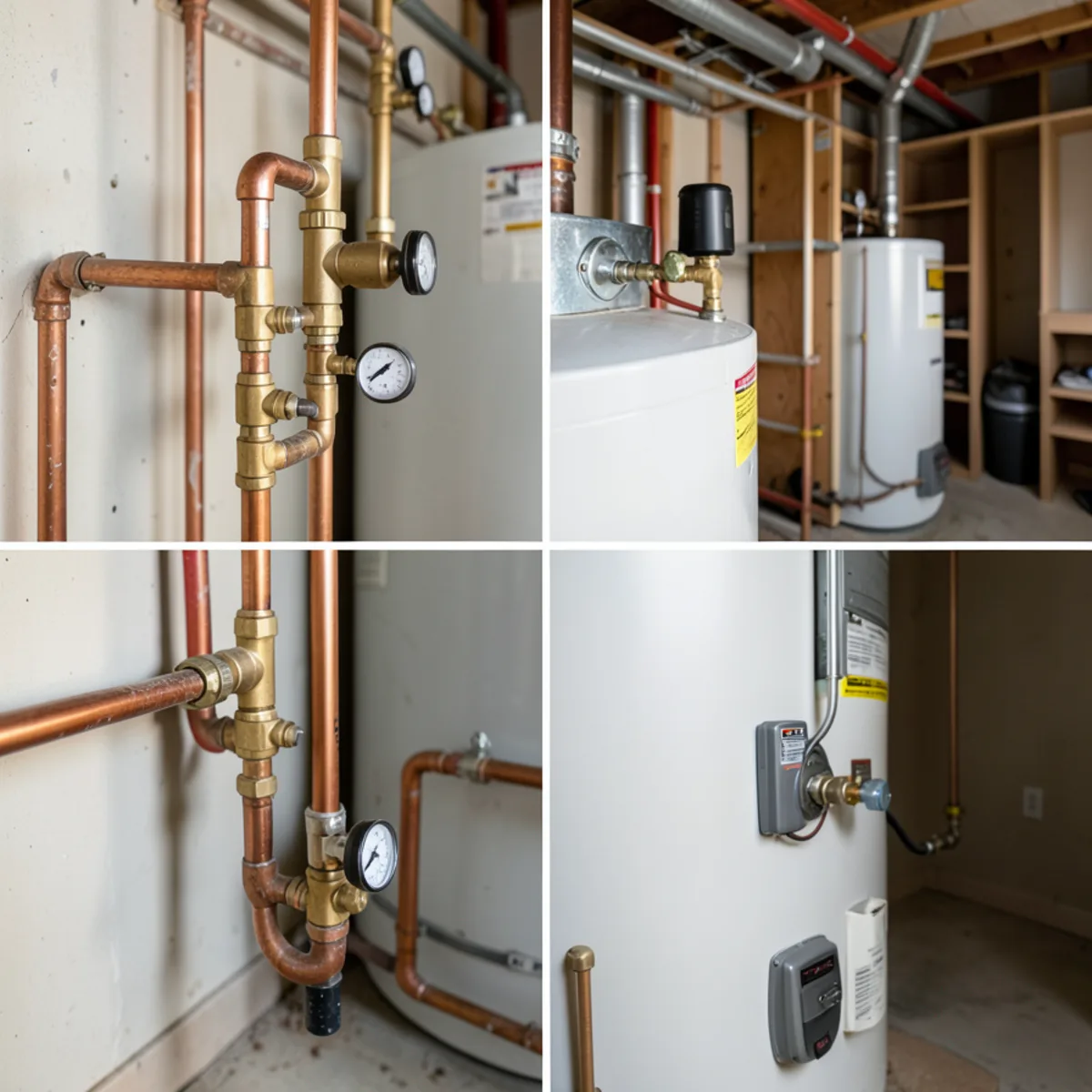
Next, inspect the temperature and pressure (T&P) relief valve, located either on the top or upper side of the tank. If the valve is weeping due to excess thermal pressure or mechanical failure, water exits through the downward copper or PEX discharge tube. If this tube terminates near the floor without draining into an open receptacle, the discharge will pool around the base, perfectly mimicking a bottom tank failure.
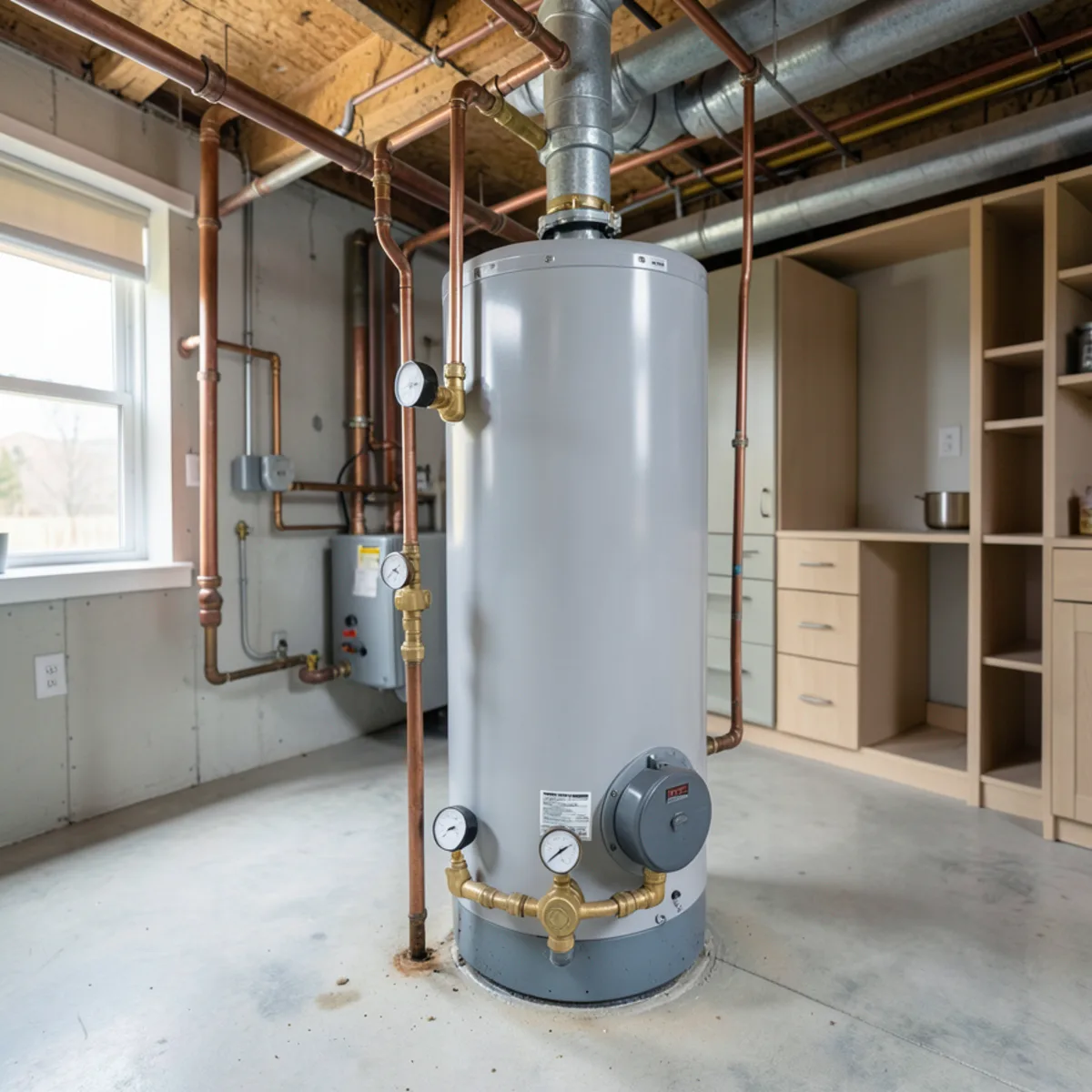
Water flows downward along outer jacket panels. A thorough inspection must verify top pipe nipples and relief lines before condemning the internal vessel.
The Drain Valve: Common, Annoying, and Completely Repairable
Positioned near the base of every storage tank water heater is the drain spigot, designed for annual sediment flushing. On builder-grade units installed throughout Littleton and Arapahoe County, manufacturers frequently equip tanks with inexpensive plastic drain valves. These plastic components become brittle after years of thermal cycling.
Mineral accumulation accelerates drain valve deterioration. Denver Water delivers municipal water containing 7 to 9 grains per gallon of dissolved calcium and magnesium. Over five to eight years, rock-hard mineral flakes settle at the bottom of the cylinder. When homeowners or technicians open a plastic valve to drain the unit, sharp sediment fragments slice the internal rubber washer, preventing a complete watertight seal once closed.
If water is dripping slowly from the threaded garden hose outlet, check if the valve is tightly turned shut. Threading an inexpensive brass garden hose cap with a rubber washer onto the spigot can provide an immediate temporary seal. However, if water is weeping from the threads where the valve screws directly into the tank steel, the entire drain valve must be replaced. A licensed plumber can drain the unit, unthread the compromised valve, and install a heavy-duty, full-port brass ball valve with fresh Teflon tape and pipe dope.
Need a Licensed Water Heater Specialist in Littleton?
Fast diagnostic triage, upfront quotes, and zero pressure. Call our local shop directly.
Internal Glass Lining Ruptures: The Fatal Tank Leak
If your top fittings are completely dry, the relief valve pipe is clear, and the drain valve threads show no moisture, you must inspect the bottom metal perimeter and burner compartment. If water is seeping outward from beneath the bottom sheet metal rim, or if water is dripping into the burner tray of a gas unit, the internal steel vessel has suffered a catastrophic breach.
Standard storage water heaters consist of a heavy carbon steel tank coated internally with a thin layer of vitreous porcelain enamel (glass lining). Because steel expands and contracts at a slightly different rate than glass during rapid temperature swings, microscopic hairline fissures eventually form in the glass coating. To protect exposed steel from rusting, manufacturers install a sacrificial anode rod made of magnesium or aluminum.
In Colorado Front Range homes, sacrificial anode rods typically deplete within four to six years. Once the anode rod is fully consumed, corrosive water attacks the exposed carbon steel tank wall directly. Highly oxygenated water, combined with localized overheating beneath thick sediment blankets on the tank floor, aggressively thins the steel. Eventually, the water pressure (typically 50 to 80 PSI in our municipal lines) punches a hole through the metal. Because pressurized hot water vessels cannot be safely welded or patched, an internal tank fracture requires complete water heater replacement.
Mineral scale crusting around the lower drain spigot indicates threaded seal decay or washer erosion from abrasive Denver Water sediments.
Electric Water Heater Element Gaskets and Access Panels
If you operate an electric water heater, water pooling at the base may originate from failed heating element gaskets rather than a fractured vessel. Electric storage tanks feature an upper and a lower electric heating element screwed or bolted horizontally into the side of the tank.
Over years of continuous operation, thermal expansion and water pressure degrade the rubber O-rings or flat gaskets that seal these elements against the tank wall. To diagnose this issue safely, turn off the 240-volt electrical breaker at your main service panel. Never touch an electric water heater with standing water nearby while power remains active.
Remove the lower metal access panel cover and carefully peel back the fiberglass insulation batting. If you discover moisture dripping around the hexagonal element flange, the gasket has failed. In many cases, a technician can drain the tank, extract the calcified element, clean the tank collar threads, and install a brand-new high-watt-density element with a fresh gasket to restore watertight operation without needing a new tank.
Immediate Emergency Action: Five Steps to Protect Your Home
Discovering an active leak demands immediate action to limit property damage. Basement water leaks in Littleton can quickly damage drywall, subfloors, and finished carpets. Take these sequential steps immediately:
1. Turn Off the Water Supply: Locate the cold water shutoff valve directly above the water heater. If it is a lever-style ball valve, turn it 90 degrees perpendicular to the pipe. If it is a multi-turn gate valve, turn the wheel clockwise until it stops. If the valve is seized, shut off the main municipal water valve where service enters your home.
2. Disconnect the Power or Fuel Supply: For an electric unit, flip the dedicated double-pole 30-amp breaker in your electrical panel to OFF. For a natural gas unit, rotate the gas control knob on the front of the thermostat from ON to OFF or PILOT.
3. Relieve System Pressure: Turn on a hot water faucet at an upper-level sink or bathtub. This relieves hydrostatic pressure inside the plumbing lines and breaks the hydraulic vacuum, slowing the leak rate.
4. Attach a Drain Hose: Connect a standard garden hose to the bottom brass drain valve and route the open end to a basement floor drain, sump pit, or exterior walkout. Open the drain valve to discharge standing water.
5. Call a Licensed Specialist: Contact Littleton Water Heaters at (201) 277-9344. Our dispatch team will confirm tank size, fuel configuration, and schedule priority technician dispatch.
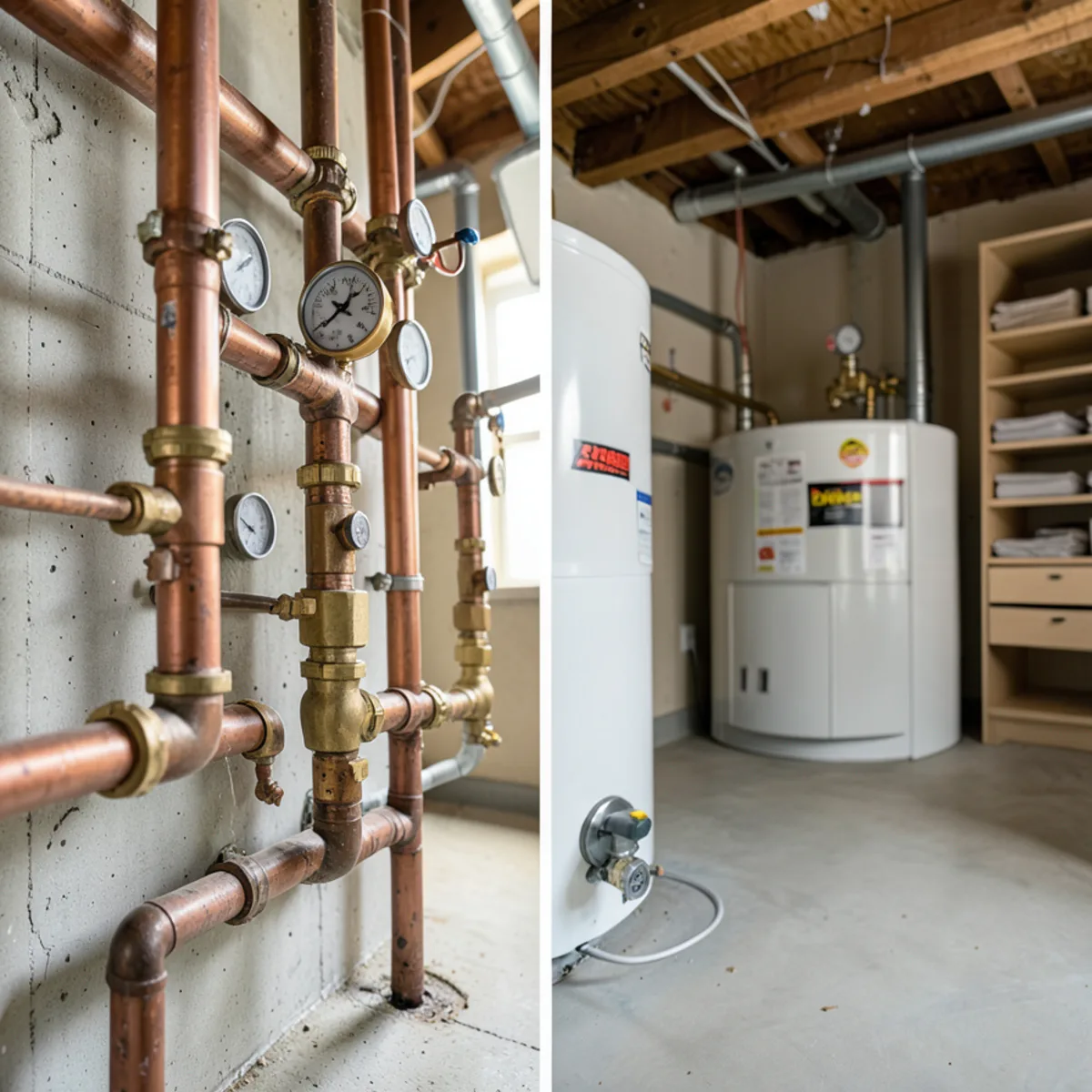
Immediately closing the cold water inlet isolation valve eliminates line pressure and limits basement flooding risk.
Replacement Timelines, Code Requirements, and Littleton Permits
When an internal vessel breach condemns your water heater, timely replacement is essential to restore family sanitation and comfort. Replacing a water heater involves far more than simply swapping tanks; modern installations must comply with the International Plumbing Code (IPC) and International Fuel Gas Code (IFGC) as amended by the City of Littleton and Arapahoe County.
Every replacement requires a verified thermal expansion tank calibrated to match incoming street pressure. Littleton water providers utilize backflow prevention devices, creating a closed-loop system where heated water cannot expand back into municipal mains. Without a properly pressurized expansion tank, domestic water pressure surges beyond 120 PSI every time the burner fires, placing severe hydraulic shock on your new tank seams.
Furthermore, installations inside basements or finished living spaces require an approved drain pan with piping routed to an approved discharge location, full-port brass isolation valves, and sediment traps on gas supply lines. At Littleton Water Heaters, our licensed plumbers handle the entire turnkey process: safely draining and hauling away the ruptured unit, installing premium Bradford White equipment, testing gas pressure and draft, and coordinating the municipal building inspection.
No. Water heaters operate under continuous municipal pressure between 50 and 80 PSI and withstand extreme thermal cycling. Once corrosion penetrates the carbon steel tank wall, the integrity of the vessel is compromised. Patching or welding a pressurized water tank is illegal under Colorado plumbing codes and poses an extreme rupture hazard. Replacement is the only safe solution.